CRANETEC — ANSI Compliance Authority
ANSI A92 Bucket Truck Inspection Requirements: Complete Compliance Guide
A comprehensive guide to ANSI A92 inspection requirements, compliance standards, inspection intervals, documentation requirements, and best practices for contractor fleet safety and readiness.
For fleet managers, utility contractors, safety managers, and operations directors responsible for aerial lift equipment, ANSI A92 bucket truck inspection requirements are not optional guidelines — they are the regulatory framework that governs whether equipment can be legally and safely placed in service. The American National Standards Institute (ANSI) A92 standard establishes the design, inspection, testing, and operational requirements for aerial lifts, including the bucket trucks and insulated aerial devices that utility contractors, telecommunications contractors, and municipal fleet operators depend on every day.
ANSI compliance is the foundation of utility fleet safety. Aerial lifts operate in environments where equipment failure can produce catastrophic consequences — workers are lifted to elevated positions near energized electrical infrastructure, at heights where structural or mechanical failure can cause serious injury or death. The ANSI A92 standard exists because the equipment is inherently hazardous, and systematic inspection is the process that verifies the equipment can perform its function safely. Contractor responsibilities under the standard are clear: equipment must be inspected at specified intervals, deficiencies must be corrected before the equipment returns to service, and documentation must be maintained that demonstrates compliance.
Inspection requirements under ANSI A92 are structured around multiple intervals — daily, frequent, and annual — each serving a distinct purpose in the compliance and safety framework. Daily inspections catch obvious issues before each use. Frequent inspections provide deeper assessment on a monthly to quarterly cycle. The annual inspection is the comprehensive assessment that produces the compliance documentation required for continued operation. Equipment readiness depends on all three inspection levels being performed on schedule, because equipment that passes an annual inspection but is not inspected daily or frequently can develop issues between annual assessments that create safety risk.
Regulatory expectations extend beyond the ANSI standard itself. OSHA regulations reference ANSI standards as the recognized industry practice for aerial lift safety. Insurance programs require current inspection documentation as a condition of coverage. Utility company contractor qualification processes require ANSI compliance documentation before contractors are approved for work. Government project compliance requirements include current ANSI inspection documentation as a prerequisite for project participation. This guide provides a complete overview of ANSI A92 bucket truck inspection requirements — from the structure of the standard through inspection intervals, checklist contents, documentation requirements, common failures, and the role ANSI inspections play in a comprehensive fleet safety and maintenance program.
Need ANSI Inspection Support?
CRANETEC provides on-site ANSI inspections, dielectric testing, and fleet maintenance programs for utility contractors nationwide. Explore our compliance and inspection services:
ANSI Bucket Truck Inspections
Annual A92.2 inspections with full compliance documentation.
Dielectric Testing
Insulated aerial device certification and electrical integrity testing.
Fleet Maintenance Programs
Preventive maintenance for contractor fleets.
Resource Center
Technical guides and compliance documentation.
Understanding the Standard
What Is ANSI A92?
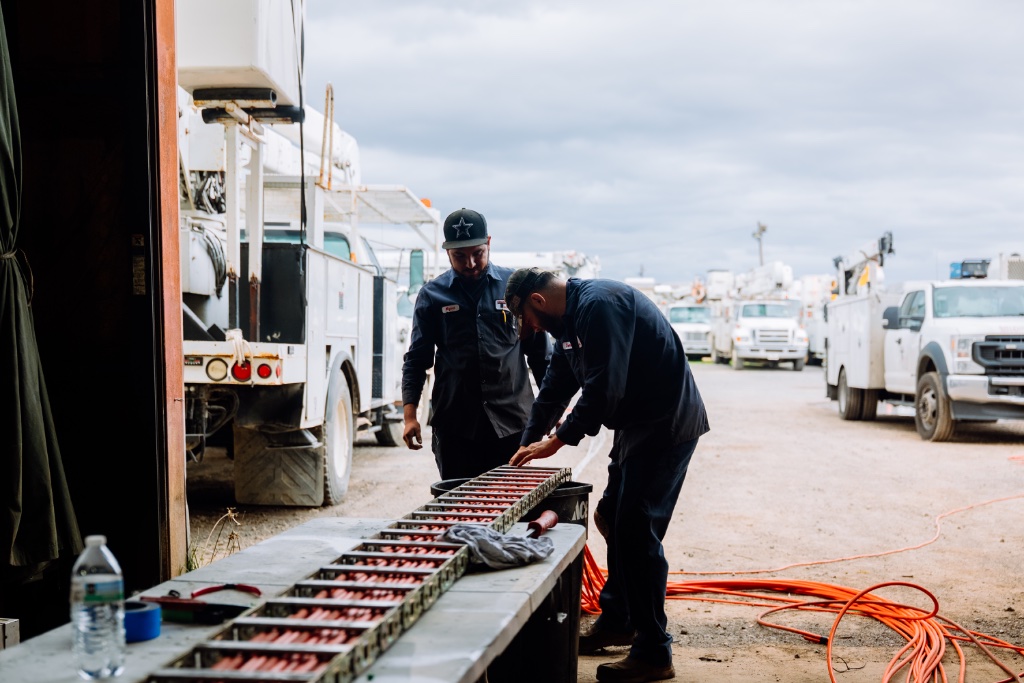
ANSI — the American National Standards Institute — is the organization that establishes voluntary consensus standards across American industries. The ANSI A92 standard is the specific standard that governs aerial lifts: vehicle-mounted rotating and elevating work platforms, including bucket trucks, digger derricks, and insulated aerial devices. The standard covers the design, manufacture, inspection, testing, maintenance, training, and safe operation of aerial lift equipment. It is the industry standard that defines what safe, compliant aerial lift operation looks like in practice.
Aerial lift safety is the core purpose of the A92 standard. Aerial lifts elevate workers to positions where equipment failure can produce serious injury or death — near energized electrical lines, at significant heights, and in environments where structural or mechanical failure creates immediate hazard. The A92 standard establishes the requirements that, when followed, make aerial lift operation safe. The standard addresses equipment requirements, inspection requirements, operator training requirements, and operational requirements — all the elements that together constitute a safe aerial lift program.
Equipment requirements under the standard include design and manufacturing standards that ensure aerial lifts are built to perform safely in their intended service. The standard addresses structural requirements, hydraulic system requirements, electrical system requirements, control system requirements, safety device requirements, and insulation requirements for equipment used near energized electrical infrastructure. Manufacturers design and build equipment to meet these requirements, and the inspection requirements of the standard verify that the equipment continues to meet these requirements throughout its service life.
Industry adoption of the ANSI A92 standard is universal across utility, telecommunications, and contractor operations. OSHA references ANSI standards as the recognized industry practice for aerial lift safety — compliance with ANSI A92 is effectively compliance with OSHA expectations. Insurance programs, utility company contractor qualification processes, government project compliance requirements, and contract terms across the industry all reference ANSI A92 compliance as a condition of operation. For utility fleet applications, the standard is not one option among many — it is the compliance framework that governs aerial lift operation. Understanding ANSI A92 bucket truck inspection requirements begins with understanding that the standard is the authoritative framework for aerial lift safety in American industry.
Why It Matters
Why ANSI A92 Inspections Matter
Safety compliance is the primary reason ANSI A92 inspections matter. Aerial lifts operate in environments where equipment failure can produce catastrophic consequences. Workers are lifted to elevated positions near energized electrical infrastructure where structural, hydraulic, or electrical system failure can cause serious injury or death. ANSI A92 inspections verify that the equipment can perform its function safely — they are the systematic process that confirms the engineering controls protecting workers are functional and performing as designed. Without these inspections, there is no objective verification that the equipment is safe to operate.
Risk reduction is the direct benefit of inspection compliance. Inspections identify developing issues — hydraulic leaks, structural cracks, boom wear, electrical degradation, safety device malfunctions — before they produce equipment failures. A hydraulic leak identified during an inspection can be repaired before it produces a system failure during operation. A structural crack detected during an inspection can be addressed before it produces a catastrophic structural failure. The bucket truck safety inspections required by ANSI A92 are the process that converts potential failures into planned repairs — and that conversion is what reduces operational risk.
Liability management is a significant consideration for contractors and fleet operators. Equipment operated without current ANSI inspection documentation creates direct liability exposure if an incident occurs. Insurance programs, contract terms, and regulatory requirements all reference current inspection documentation — operating equipment with overdue inspections is a compliance failure that can affect insurance coverage, contract qualification, and regulatory standing. For utility contractors performing work near energized infrastructure, the liability implications of inspection non-compliance extend to worker safety, public safety, and the contractor's business viability.
Fleet readiness and contractor requirements complete the case for ANSI A92 inspections. Equipment that is inspected on schedule is available for deployment when projects need it — equipment that is inspected reactively is unavailable at unpredictable times. For telecommunications contractors deploying equipment for fiber installation projects, utility contractors performing storm restoration, or municipal fleets supporting routine infrastructure maintenance, fleet readiness directly impacts project execution. Utility company contractor qualification processes require ANSI compliance documentation before contractors are approved for work — maintaining current inspection compliance across the fleet is a prerequisite for contract participation. Understanding ANSI A92 bucket truck inspection requirements is understanding that inspection compliance is not a burden — it is the foundation of safe, compliant, and commercially viable aerial lift operations.
Compliance Scheduling
Is Your Fleet ANSI Compliant?
Regular inspections help reduce risk, improve safety, and maintain compliance. CRANETEC provides on-site ANSI inspections with full compliance documentation formatted for OSHA, insurance, and project qualification requirements.
Inspection Intervals
ANSI Inspection Intervals
ANSI A92 bucket truck inspection requirements specify multiple inspection intervals, each serving a distinct purpose in the compliance and safety framework. Understanding these intervals — what each covers, who performs it, and how often it occurs — is fundamental to maintaining fleet compliance.
Pre-Use Inspection
DailyEvery shiftPerformed by the operator before each use — visual walk-around, fluid checks, safety equipment verification, and operational function test.
Monthly to Quarterly
Frequent1-3 monthsPerformed by qualified personnel — detailed system assessments, component wear tracking, hydraulic evaluation, and operational performance verification.
Comprehensive Inspection
Annual12 monthsPerformed by a qualified inspector — complete ANSI A92.2 assessment of all equipment systems with full compliance documentation.
Event-Triggered
SpecialAs neededPerformed after new equipment acquisition, major repair, extended out-of-service periods, or exposure to conditions affecting equipment integrity.
Daily Inspections
Daily inspections are performed by the operator before each use. This pre-use inspection includes a visual walk-around of the equipment, fluid level checks, safety equipment verification, and an operational function test. The daily inspection is the first line of defense — it catches obvious issues before the equipment is committed to active work. Daily inspections should be documented, and any deficiencies identified must be addressed before the equipment is placed in service.
Frequent Inspections
Frequent inspections are performed at monthly to quarterly intervals by qualified personnel. These inspections provide deeper assessment than the daily check — detailed system evaluations, component wear tracking, hydraulic system assessment, and operational performance verification. Frequent inspections are where developing issues are often first identified, before they reach the failure threshold. The frequent inspection interval bridges the gap between daily operator checks and the comprehensive annual inspection.
Annual Inspections
Annual inspections are the comprehensive assessment required every 12 months, performed by a qualified inspector. The annual inspection covers every system on the equipment — structural, hydraulic, electrical, mechanical, and safety devices. For insulated equipment, the annual inspection includes dielectric testing. The annual inspection produces the compliance documentation required for continued operation. This is the cornerstone of ANSI A92 bucket truck inspection requirements — the comprehensive assessment that verifies the equipment meets the standard for continued service.
Special & Return-to-Service Inspections
Special inspections are event-triggered inspections required when specific conditions occur: new equipment acquisition, equipment returning from extended out-of-service periods, equipment that has undergone major repair, or equipment exposed to conditions that could affect integrity (accidents, environmental events, electrical incidents). Return-to-service inspections verify that equipment is safe to return to operation after being out of service, after repair, or after deficiency correction. These inspections ensure that equipment re-entering service meets the same safety and compliance standards as equipment in continuous service.
Inspection Contents
What Is Included in an ANSI Bucket Truck Inspection?
The annual bucket truck inspection required by ANSI A92 is a comprehensive assessment that covers every system on the equipment. The inspection is structured to verify that all equipment systems meet the safety and performance standards established by the ANSI A92 standard. Below is a detailed breakdown of what the inspection includes.
| System Category | Inspection Items | Required |
|---|---|---|
Structural Components | Frame, boom mounts, platform attachment, outrigger mounts, fastener integrity, crack detection, corrosion assessment | Annual |
Boom Systems | Boom sections, extension mechanisms, wear pads, rotation bearing, boom alignment, articulation points | Annual |
Hydraulic Systems | Pumps, valves, cylinders, hoses, fittings, fluid condition, pressure verification, leak detection | Annual |
Electrical Systems | Control systems, wiring, warning indicators, safety interlocks, lighting, battery and charging systems | Annual |
Outriggers | Deployment mechanism, pads, cylinders, stability system, interlock function, positioning accuracy | Annual |
Controls | Boom controls, outrigger controls, emergency controls, proportional response, control system calibration | Annual |
Safety Devices | Overload protection, emergency stop, interlock systems, alarms, motion cutoffs, operator presence systems | Annual |
Insulation Systems | Fiberglass boom, insulating inserts, platform insulation, bonding systems (dielectric testing required) | Annual |
Structural components inspection examines the frame, boom mounts, platform attachment, outrigger mounts, fastener integrity, and looks for cracks, corrosion, or deformation. Structural issues are among the most serious findings — any structural concern takes the equipment out of service immediately. Boom systems inspection covers boom sections, extension mechanisms, wear pads, rotation bearing, boom alignment, and articulation points. Boom wear pads are a critical focus because worn pads produce metal-on-metal contact that accelerates structural damage.
Hydraulic systems inspection assesses pumps, valves, cylinders, hoses, fittings, fluid condition, and system pressure, with comprehensive leak detection. Hydraulic issues are among the most common inspection findings — leaks, hose wear, and cylinder drift are frequently identified during annual inspections. Electrical systems inspection verifies control systems, wiring, warning indicators, safety interlocks, lighting, and battery/charging systems. Electrical problems in aerial devices can affect boom function, outrigger deployment, and safety system operation.
Outriggers inspection examines the deployment mechanism, pads, cylinders, stability system, interlock function, and positioning accuracy. Outrigger problems are stability problems — equipment cannot be safely operated if the outrigger system cannot reliably establish support. Controls inspection verifies boom controls, outrigger controls, emergency controls, proportional response, and control system calibration. Safety devices inspection tests overload protection, emergency stop, interlock systems, alarms, motion cutoffs, and operator presence systems — the systems that protect workers when other systems fail.
Insulation systems inspection applies to insulated aerial devices and includes the fiberglass boom, insulating inserts, platform insulation, and bonding systems. For insulated equipment, dielectric testing is performed as part of the annual inspection to verify insulation integrity. This is where ANSI A92 bucket truck inspection requirements intersect with dielectric testing requirements — both are needed for insulated equipment, and both are typically performed together during the annual inspection. The comprehensive nature of the annual inspection is what makes it the cornerstone of utility equipment inspections and the compliance documentation that supports fleet operations.
Documentation
Documentation Requirements
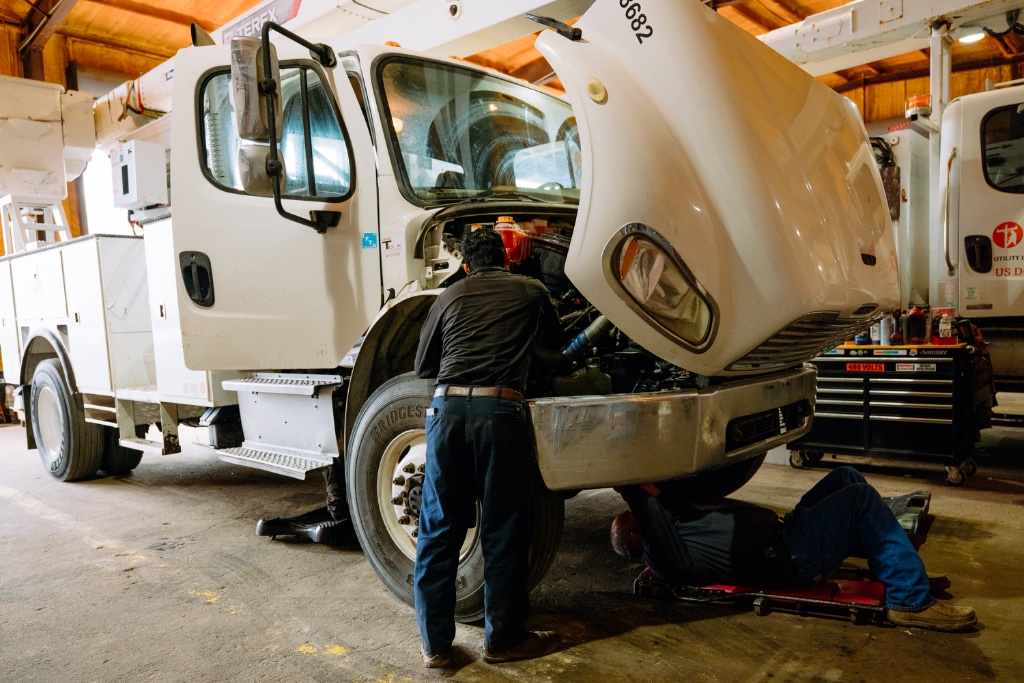
Documentation is a critical component of ANSI A92 bucket truck inspection requirements. The standard requires that inspection records, maintenance records, testing records, and repair documentation be maintained for each piece of equipment. Without documentation, inspection compliance cannot be demonstrated — and undocumented inspections are, for compliance purposes, equivalent to no inspection at all.
Inspection Records
Inspection records must include the inspection date, inspector identification and qualifications, equipment identification (including serial number and model), items inspected, deficiencies found, corrective actions taken, and next inspection due date. The documentation must be maintained with the equipment and available for review during audits, insurance inspections, contractor qualification reviews, or regulatory inquiries. Complete inspection records are what demonstrate that the equipment has been inspected to the standard required by ANSI A92.
Maintenance Records
Maintenance records document all maintenance performed on the equipment — scheduled preventive maintenance, corrective repairs, parts replacement, and service events. These records establish the maintenance history that supports the equipment's compliance status and operational reliability. Maintenance records should be cross-referenced with inspection records to provide a complete picture of the equipment's condition and service history.
Testing Records
Testing records document the results of specialized testing — dielectric testing for insulated equipment, load testing where applicable, and any other testing performed to verify equipment performance. Dielectric testing records are particularly important for insulated aerial devices and must document the test date, tester qualifications, test voltage, results, and next test due date.
Compliance Documentation & Audit Readiness
Compliance documentation brings together inspection records, maintenance records, and testing records into a package that demonstrates the equipment meets ANSI A92 requirements. This documentation is what utility companies, government agencies, insurance providers, and contract qualification processes require. Audit readiness is the state of having complete, current, organized documentation available for review at any time. The best practice for audit readiness is maintaining documentation as it is produced — after each inspection, maintenance event, or test — rather than assembling documentation reactively when an audit or qualification review occurs. This proactive approach to documentation is what makes fleet compliance manageable rather than burdensome.
Featured Utility Equipment Service Project
Featured Utility Equipment Service Project
TM125 Lower Re-Hose Project — Beaumont, TX
CRANETEC performed a complete hydraulic lower re-hose restoration on a TM125 bucket truck — demonstrating the fleet readiness, equipment restoration, inspection preparation, and reduced downtime benefits that systematic maintenance programs deliver. This project illustrates how proactive maintenance intervention prepares equipment for successful ANSI inspection by ensuring all systems are functioning properly before the inspection occurs. The TM125 lower re-hose project represents the kind of preventive maintenance that keeps equipment in inspection-ready condition — addressing hydraulic system issues before they become inspection failures or operational problems. By restoring the hydraulic system proactively, the equipment maintained its operational readiness and positioned itself for successful compliance inspection.
Common Failures
Common ANSI Inspection Failures
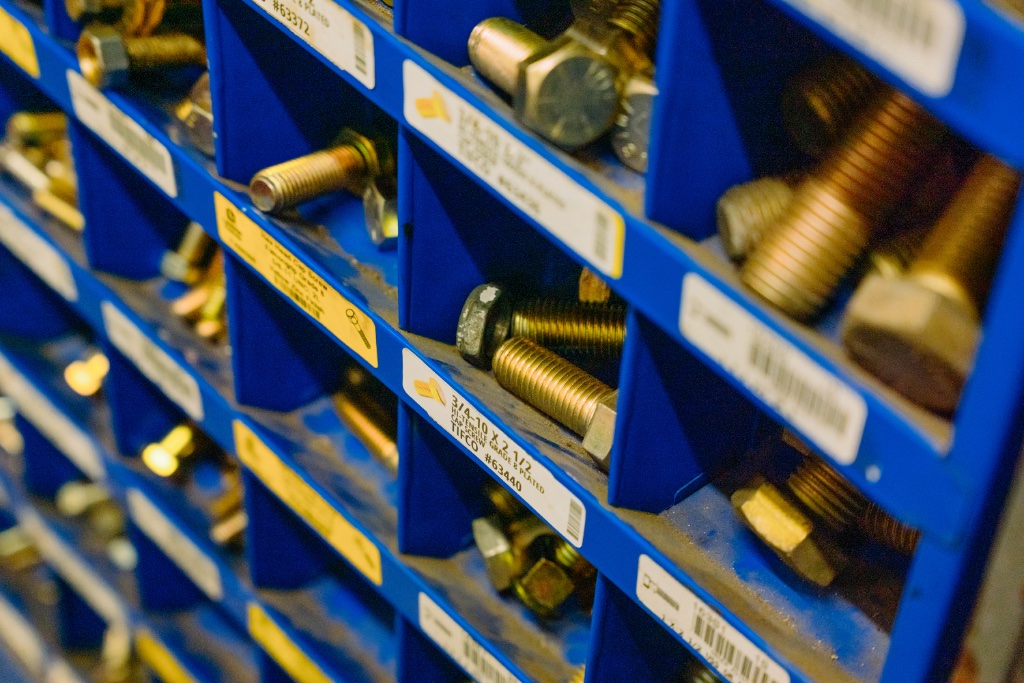
Understanding common ANSI inspection failures helps fleet managers and contractors recognize the issues most likely to affect inspection outcomes and prioritize maintenance attention accordingly. These are the issues that ANSI A92 bucket truck inspection requirements are designed to identify — and addressing them before inspection is what makes the inspection process efficient rather than disruptive.
Hydraulic Leaks
Among the most common inspection findings. Leaks develop at seals, fittings, hoses, and cylinder rods over time. Even minor leaks indicate system pressure loss and progressive wear that must be addressed before the equipment can pass inspection.
Structural Damage
Cracks, deformation, corrosion, or fastener issues on structural components are serious findings that take equipment out of service immediately. Structural concerns require qualified assessment and corrective action before the equipment can return to service.
Boom Issues
Boom wear pad degradation, alignment changes, extension mechanism wear, and structural concerns develop gradually. Boom issues affect lifting capability, positioning precision, and operator safety — all critical inspection areas.
Outrigger Concerns
Outrigger deployment issues, pad wear, hydraulic cylinder drift, and stability system malfunctions affect the foundation of safe aerial operations. Outrigger problems are stability problems.
Missing Documentation
Incomplete or missing inspection, maintenance, or testing records are compliance failures. Equipment without complete documentation cannot demonstrate compliance and may be flagged during audit or qualification reviews.
Electrical Defects
Control system malfunctions, warning indicator failures, safety interlock issues, and wiring degradation affect the systems that protect the operator. Electrical problems require qualified assessment and correction.
Compliance Comparison
ANSI Inspections vs Dielectric Testing
ANSI inspections and dielectric testing are distinct but complementary assessments that together form the complete compliance framework for insulated aerial devices. Understanding the relationship between these two assessments is part of understanding ANSI A92 bucket truck inspection requirements and how they interact with electrical safety testing requirements.
Key Differences
The key difference is scope. The inspection scope of an ANSI A92 annual inspection is comprehensive — it covers every system on the equipment including structural, hydraulic, electrical, mechanical, and safety devices. The testing scope of dielectric testing is specialized — it specifically verifies the electrical insulation properties of the aerial device. Dielectric testing is a focused electrical test, while the ANSI inspection is a complete equipment assessment. Both are required for insulated aerial devices, but they serve different purposes within the compliance framework.
Compliance Requirements
Compliance requirements make both assessments mandatory for insulated aerial devices. ANSI A92 annual inspections are required every 12 months. Dielectric testing is required every 12 months for insulated equipment. Because both follow the annual cycle, they are typically performed together during the same service visit — this combined approach is efficient and produces a complete compliance documentation package. For comprehensive dielectric testing services, CRANETEC performs both assessments together on-site. To understand the electrical testing component in detail, see our guide on what dielectric testing is and why it is important.
Compliance Protection
Avoid Costly Compliance Violations
Stay inspection-ready with professional ANSI inspection services. CRANETEC provides comprehensive inspections and dielectric testing with full compliance documentation to keep your fleet compliant and crews protected.
Maintenance Integration
How ANSI Inspections Support Preventive Maintenance
ANSI inspections are not isolated compliance events — they are integral components of a comprehensive preventive maintenance program. Understanding how ANSI A92 bucket truck inspection requirements support preventive maintenance reveals how inspection compliance contributes to equipment reliability, reduced downtime, and long-term fleet lifecycle management.
Maintenance planning uses ANSI inspection findings to structure the maintenance program. Inspection results identify which components need attention, which systems are developing issues, and which equipment is approaching the point where more significant maintenance or component replacement is needed. This information enables proactive maintenance scheduling rather than reactive repair response. When inspection findings are integrated into the maintenance plan, the maintenance program becomes data-driven rather than calendar-driven alone.
Equipment reliability is the direct benefit of integrating inspections with maintenance. Equipment that is inspected annually, maintained proactively, and operated within its performance envelope delivers years of reliable service. The reduced downtime that follows is measurable — equipment that is maintained on schedule is available for deployment when projects need it, while equipment that is maintained reactively is unavailable at unpredictable times. For comprehensive fleet preventive maintenance programs, CRANETEC structures maintenance around inspection findings and schedules.
Fleet lifecycle management uses inspection and maintenance data to make informed decisions about equipment repair, component replacement, and fleet replacement planning. Equipment that consistently requires significant maintenance may be approaching the end of its economic service life — inspection data helps identify this point. Regular mobile oil change and fluid services complement the inspection program by maintaining the equipment systems that support overall operational readiness. For comprehensive bucket truck maintenance, the integration of inspection findings with maintenance planning is what produces the reliability and cost control that well-managed fleets achieve.
Industry Applications
Industries That Depend on ANSI Compliance
ANSI A92 compliance is a cross-industry requirement — any operation that deploys aerial lift equipment requires current inspection compliance. The ANSI A92 bucket truck inspection requirements apply across multiple industries, each with specific operational characteristics and compliance drivers.
Electric Utilities
Electric utility operations deploy bucket trucks and insulated aerial devices for distribution line maintenance, transmission work, and substation operations. ANSI compliance is a baseline requirement for utility contractor qualification and OSHA compliance.
Telecommunications
Telecommunications contractors operate aerial devices near energized secondary services and distribution infrastructure. ANSI inspections verify equipment safety for workers performing cable installation, fiber optic work, and equipment maintenance.
Fiber Construction
Fiber construction projects deploy bucket trucks extensively for aerial fiber installation. ANSI compliance is required for project participation and worker safety during high-volume aerial operations.
Government Contractors
Government project compliance requirements include current ANSI inspection documentation as a prerequisite for contract participation. Government contractors must maintain compliance across their entire deployed fleet.
Municipal Fleets
Municipal fleet operators deploy bucket trucks for routine infrastructure maintenance, storm response, and public works. ANSI compliance protects municipal workers and manages municipal liability exposure.
Infrastructure Contractors
Infrastructure construction projects require aerial lift equipment for bridge work, signage, lighting, and utility infrastructure. ANSI compliance is required for project participation and safety compliance.
Technical Resources
Explore More Compliance Resources
Access technical guides, compliance documentation, and inspection resources for utility equipment fleet operations.
Get Started
Request ANSI Inspection Services
Submit your fleet details and our team will respond with inspection availability, on-site scheduling options, and compliance documentation information.
FAQ
Frequently Asked Questions
CRANETEC Services
Related Services
Complete utility equipment compliance support — from ANSI inspections and dielectric testing to maintenance and repair.
Get Started
Need ANSI Bucket Truck Inspection Services?
CRANETEC provides ANSI inspections, dielectric testing, fleet maintenance, and utility equipment support for contractors and fleet operators. One call connects you to the complete spectrum of compliance and maintenance services your fleet requires.