CRANETEC — Utility Equipment Safety Authority
What Is Dielectric Testing and Why Is It Important?
A comprehensive guide to dielectric testing requirements, procedures, and compliance standards for insulated bucket trucks, utility equipment, and contractor fleet safety programs.
For utility contractors, telecommunications contractors, and fleet managers responsible for insulated aerial devices, understanding what is dielectric testing and why is it important is not an academic exercise — it is a fundamental safety and compliance obligation. Bucket trucks and aerial devices operate in environments where electrical hazards are a constant presence. Distribution lines, transmission lines, substation equipment, secondary services, and telecommunications infrastructure all carry or are adjacent to energized electrical systems. The insulation systems built into aerial devices are the engineering barrier that stands between workers and electrical current. Dielectric testing is the process that verifies that barrier is intact and performing as designed.
Electrical hazards in utility work environments are not theoretical risks — they are daily operational realities. A bucket truck operator working on distribution line maintenance, a telecommunications contractor installing fiber near secondary services, or a utility crew performing storm restoration all operate in proximity to energized infrastructure. In these environments, the insulation system of the aerial device is the engineering control that prevents electrical current from reaching the worker. If that insulation system has degraded — through contamination, moisture intrusion, structural damage, or material aging — the engineering control has failed, and the worker is exposed to potentially fatal electrical hazard.
Insulated aerial devices rely on the dielectric properties of their fiberglass boom sections, insulating inserts, and platform components to prevent electrical current from reaching the worker in the bucket. These insulation systems are engineered to specific electrical performance standards, and verifying that the insulation meets those standards is the purpose of dielectric testing. Without this testing, there is no way to know whether the insulation system is performing as designed. Worker safety in elevated electrical work environments depends directly on the insulation integrity that dielectric testing verifies.
Fleet compliance and industry standards make dielectric testing a regulatory obligation, not a recommendation. ANSI A92.2 standards require dielectric testing for insulated aerial devices at minimum every 12 months. OSHA regulations, utility company contractor qualification programs, insurance policy conditions, and government project compliance requirements all reference current dielectric testing as a baseline condition for equipment deployment. This guide explains what is dielectric testing and why is it important — from the definition and purpose of the test through the compliance requirements, testing procedures, failure causes, and the role dielectric testing plays in a comprehensive fleet safety and maintenance program.
Need Utility Equipment Testing Services?
CRANETEC provides on-site dielectric testing, ANSI inspections, and fleet maintenance programs for utility contractors nationwide. Explore our compliance and testing services:
Dielectric Testing
Insulated aerial device certification and electrical integrity testing.
ANSI Bucket Truck Inspections
Annual A92.2 inspections with full compliance documentation.
Fleet Maintenance Programs
Preventive maintenance for contractor fleets.
Resource Center
Technical guides and compliance documentation.
Definition & Purpose
What Is Dielectric Testing?
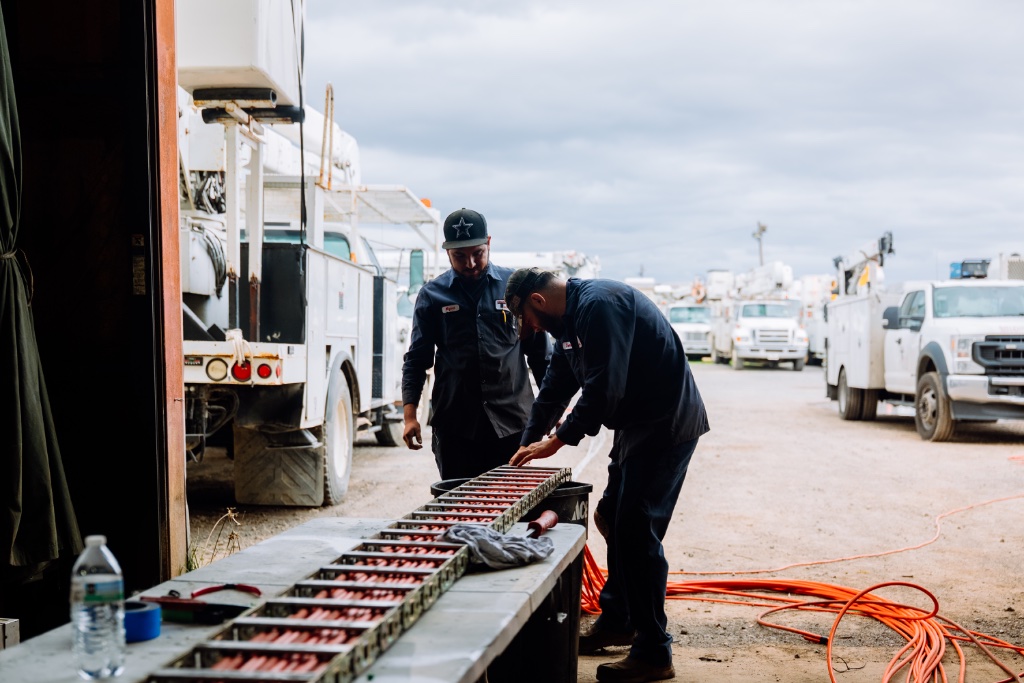
Dielectric testing is an electrical integrity test that verifies the insulation system of an insulated aerial device can prevent electrical current from reaching the worker in the bucket. The test applies a specified electrical voltage to the insulation system — typically the fiberglass boom sections, insulating inserts, and platform components — and measures whether the insulation can withstand that voltage without allowing current to pass through. If the insulation holds, the equipment passes. If current passes through the insulation, the equipment fails.
The purpose of dielectric testing is to verify that the insulation system protecting workers near energized electrical lines is functioning as designed. Insulated aerial devices are engineered with specific electrical performance ratings — the insulation system is designed to withstand a defined voltage level without allowing current to pass through. Dielectric testing confirms that the insulation still meets that performance specification. Over time, insulation properties can degrade due to environmental exposure, mechanical stress, contamination, and material aging. Dielectric testing detects this degradation before it produces an electrical incident.
Insulated equipment that requires dielectric testing includes any aerial device with insulation designed to protect workers from electrical contact. This includes bucket trucks with insulated fiberglass booms, insulated platform systems, and any equipment used in proximity to energized electrical infrastructure where insulation integrity is a safety requirement. The electrical insulation systems in these devices are complex engineering assemblies — fiberglass boom sections, insulating inserts, platform insulation, and bonding systems all work together to provide the electrical protection the equipment is designed to deliver.
Safety verification is the fundamental purpose of dielectric testing. The test provides objective, measurable confirmation that the insulation system can perform its protective function. Without this verification, there is no way to know whether the insulation has degraded below the level required for electrical safety work. Industry standards — particularly ANSI A92.2 — establish the testing requirements, voltage levels, intervals, and documentation standards that govern dielectric testing for insulated aerial devices. Understanding what is dielectric testing and why is it important begins with understanding that this testing is the objective verification process that makes insulated equipment operation safe and compliant.
Why It Matters
Why Dielectric Testing Is Critical for Bucket Trucks
Electrical exposure risks are the primary reason dielectric testing is critical for bucket trucks. Utility bucket trucks operate in direct proximity to energized electrical infrastructure — distribution lines, transmission lines, substation equipment, and secondary services. In these environments, the insulation system of the aerial device is the engineering control that prevents electrical current from reaching the worker. If that insulation system has degraded, the engineering control has failed, and the worker is exposed to potentially fatal electrical hazard. Dielectric testing is the process that verifies the engineering control is functional.
Worker safety in elevated electrical work environments depends directly on insulation integrity. A bucket truck operator performing distribution line maintenance, a telecommunications contractor working near secondary services, or a utility crew performing storm restoration all rely on the insulation system to protect them from electrical contact. The insulation system is not a backup safety measure — it is the primary engineering control. Dielectric testing verifies that this primary control is performing as designed. For comprehensive bucket truck dielectric testing services, CRANETEC provides on-site testing with full compliance documentation.
Utility operations depend on equipment that can safely perform work near energized infrastructure. Electric utility contractors, telecommunications contractors, and municipal utility departments all operate equipment in electrical exposure environments. The question of what is dielectric testing and why is it important is answered most directly by the consequences of inadequate testing — equipment with degraded insulation operating near energized lines creates direct worker safety risk and represents a significant compliance failure. For electric utility contractor support, CRANETEC provides the testing and compliance services that utility operations require.
Telecommunications work also requires dielectric testing for insulated equipment. Telecommunications aerial devices often operate in proximity to energized secondary services and distribution infrastructure. The insulation system protects workers from inadvertent electrical contact during cable installation, fiber optic work, and equipment maintenance. Contractor liability is a significant consideration — operating insulated equipment without current dielectric testing creates direct liability exposure if an electrical incident occurs. Insurance programs, contract terms, and regulatory requirements all reference current dielectric testing as a condition of operation, making the testing not just a safety measure but a liability management obligation.
Testing Scheduling
Is Your Equipment Due for Dielectric Testing?
Protect crews and maintain compliance with professional dielectric testing services. CRANETEC provides on-site testing with full compliance documentation formatted for OSHA, insurance, and project qualification requirements.
Equipment Requirements
Which Equipment Requires Dielectric Testing?
Any equipment with an insulation system designed to protect workers from electrical contact requires dielectric testing. The dielectric testing requirements apply across a range of equipment types used in utility, telecommunications, and electrical contractor operations. Understanding which equipment requires testing is a fundamental element of understanding what is dielectric testing and why is it important for fleet compliance.
| Equipment Type | Description | Testing |
|---|---|---|
Bucket Trucks (Insulated) | Aerial devices with insulated fiberglass booms used near energized lines | Annual |
Insulated Aerial Devices | Platform-mounted aerial devices with insulation systems for electrical work | Annual |
Telecommunications Equipment | Aerial devices used in proximity to energized electrical infrastructure | Annual |
Utility Boom Trucks | Boom-equipped utility vehicles with insulated boom sections | Annual |
Insulated Platforms | Platform systems with insulating components for elevated electrical work | Annual |
Specialized Insulated Equipment | Any equipment with insulation designed to protect workers from electrical contact | Annual |
Bucket trucks with insulated fiberglass booms are the most common equipment type requiring dielectric testing. These aerial devices are used extensively in utility distribution work, where operators work in direct proximity to energized lines. Insulated aerial devices more broadly — including platform-mounted systems and specialized electrical work platforms — all require testing if they incorporate insulation designed to protect workers from electrical contact.
Utility equipment and telecommunications equipment that operates in proximity to energized electrical infrastructure requires testing regardless of whether the equipment is primarily used for electrical work. Telecommunications aerial devices often operate near secondary services and distribution lines, and the insulation system provides protection from inadvertent electrical contact. Specialized insulated equipment used in substation work, transmission line maintenance, or any application where insulation integrity is a safety requirement must also undergo regular dielectric testing. The guiding principle is simple: if the equipment has insulation designed to protect the operator from electrical contact, it requires testing.
Testing Frequency
How Often Should Dielectric Testing Be Performed?
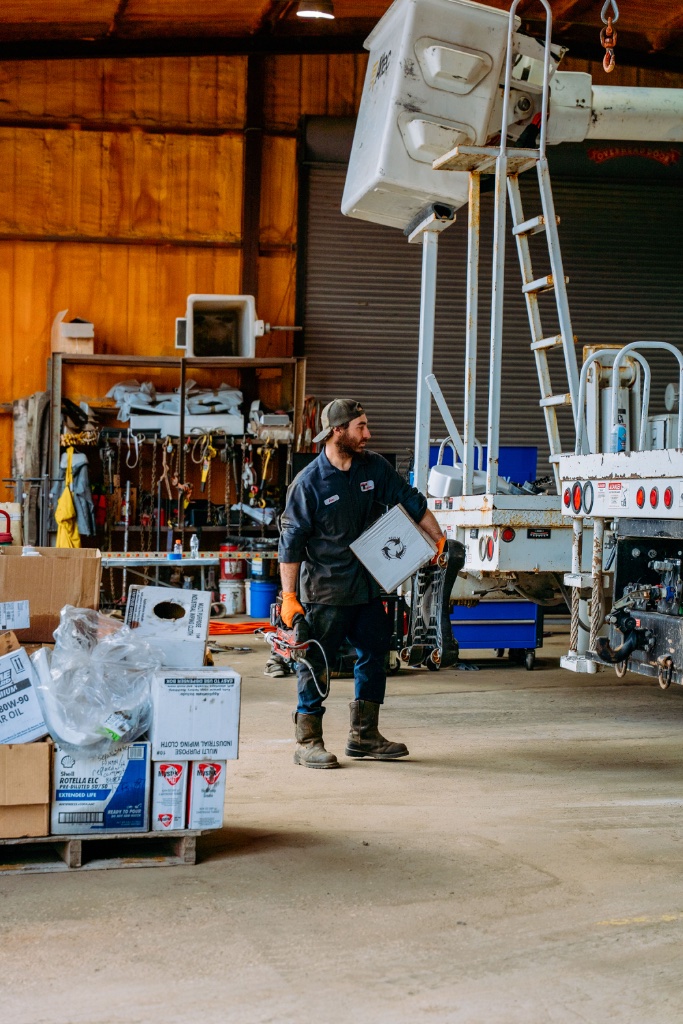
Dielectric testing is required at minimum every 12 months for insulated aerial devices. This annual testing requirement is established by ANSI A92.2 standards and is the industry baseline for insulation integrity verification. The annual interval is not a suggestion — it is a compliance standard that governs whether insulated equipment can be placed in service near energized electrical infrastructure. Understanding what is dielectric testing and why is it important includes understanding that annual testing is a regulatory obligation.
Manufacturer recommendations may specify more frequent testing intervals based on equipment design, materials, or intended service conditions. Equipment manufacturers understand the degradation characteristics of their insulation systems and may recommend testing intervals shorter than 12 months for certain operating environments. A compliant testing program incorporates both ANSI requirements and manufacturer specifications to ensure complete coverage of the equipment's safety and testing requirements.
Utility contractor standards and internal fleet policies may also require more frequent testing. Some utilities and contractors implement 6-month testing cycles for equipment in continuous electrical exposure service or high-utilization applications. These enhanced testing programs reflect the operational reality that equipment in heavy electrical exposure service may experience faster insulation degradation than equipment in occasional exposure service. For comprehensive guidance on inspection intervals, see our guide on how often a bucket truck should be inspected.
Best practices also support event-driven testing outside the annual schedule. If an insulated aerial device contacts an energized line, experiences an electrical event, undergoes major repair to insulating components, or is exposed to conditions that could affect insulation integrity (contamination, moisture intrusion, physical damage to fiberglass components), dielectric testing must be performed before the equipment returns to service. This event-driven testing requirement means fleet managers must maintain awareness of equipment operating conditions and be prepared to initiate testing outside the regular schedule. Annual ANSI inspections and dielectric testing are typically performed together to produce a complete compliance documentation package in a single service visit.
Testing Process
What Happens During a Dielectric Test?
Understanding what happens during a dielectric test helps fleet managers and contractors understand what is dielectric testing and why is it important from a practical standpoint. The testing process is a structured procedure that combines visual assessment with electrical measurement to verify insulation integrity.
Step 1: Visual Inspection
The process begins with a thorough visual inspection of the insulation system. The technician examines fiberglass boom sections, insulating inserts, platform components, and bonding systems for visible signs of damage, contamination, moisture intrusion, cracking, or degradation. Surface contamination — dirt, grease, oil, tracking marks — is identified because contamination can cause test failures and must be addressed before electrical testing. Visible structural damage to fiberglass components may indicate insulation compromise that requires further assessment or repair before testing can proceed.
Step 2: Preparation
Preparation involves cleaning the insulation surfaces if contamination is present, ensuring the equipment is properly configured for testing, and setting up the testing equipment. The preparation phase is critical because surface contamination is one of the most common causes of test failures — cleaning before testing ensures that the test measures actual insulation condition rather than surface contamination effects. The equipment must be positioned to allow safe application of test voltage and accurate measurement of insulation performance.
Step 3: Electrical Testing
The electrical testing process applies a specified voltage to the insulation system and measures whether the insulation can withstand that voltage without allowing current to pass through. The test voltage and procedure are specified by ANSI standards and manufacturer requirements. The technician monitors the test for any indication of current passage, tracking, arcing, or insulation breakdown. The test is performed systematically across all insulated components to verify complete insulation system integrity.
Step 4: Documentation
Documentation records the test date, tester qualifications, equipment identification, test voltage applied, test results, and next test due date. This documentation is the compliance record that demonstrates the equipment has been tested and meets insulation integrity requirements. The documentation is formatted for OSHA compliance, insurance program requirements, utility company contractor qualification processes, and government project compliance submissions.
Step 5: Pass/Fail Criteria
Pass/fail criteria are based on whether the insulation system can withstand the specified test voltage without allowing current to pass through. If the insulation holds and no current passage is detected, the equipment passes. If current passes through the insulation — indicating that the insulation has degraded below the required performance level — the equipment fails. Failed equipment is taken out of service until the insulation deficiency is corrected and re-testing confirms insulation integrity. This pass/fail determination is the core of electrical safety testing — it provides the objective verification that the insulation system can perform its protective function.
Featured Utility Equipment Service Project
Featured Utility Equipment Service Project
TM125 Lower Re-Hose Project — Beaumont, TX
CRANETEC performed a complete hydraulic lower re-hose restoration on a TM125 bucket truck — demonstrating the equipment reliability, preventive maintenance value, and inspection readiness that systematic maintenance programs deliver. This project illustrates how addressing identified hydraulic system issues before failure preserves equipment uptime and supports inspection readiness. The TM125 lower re-hose project represents the kind of preventive intervention that keeps equipment in compliance-ready condition, ensuring that when dielectric testing and ANSI inspections are performed, the equipment is properly maintained and prepared for assessment. By restoring the hydraulic system proactively, the equipment maintained its operational readiness and reduced the risk of inspection-related complications.
Failure Causes
Common Reasons Equipment Fails Dielectric Testing
Understanding why equipment fails dielectric testing is an essential part of understanding what is dielectric testing and why is it important. Failure causes range from preventable maintenance issues to structural damage that requires component repair or replacement. Identifying failure causes helps fleet managers implement practices that prevent failures and keep equipment in testing-ready condition.
Contamination
Surface contamination is the most common cause of dielectric testing failures. Dirt, grease, oil, tracking marks, and other contaminants on fiberglass boom surfaces create conductive paths that allow electrical current to pass through the insulation. Many contamination failures are preventable through proper cleaning before testing. Contractors operating in dusty, dirty, or greasy environments should implement regular cleaning of insulation surfaces to prevent contamination-related failures.
Cracks
Cracks in fiberglass boom sections or insulating components compromise the insulation system integrity. Cracks can develop from mechanical stress, impact damage, thermal cycling, or material aging. Cracks provide paths for electrical current and moisture intrusion, and they typically require component repair or replacement rather than cleaning.
Structural Damage
Physical damage to insulating components — impact damage, deformation, delamination of fiberglass layers — compromises the insulation system. Structural damage may be visible during visual inspection or may be detected during electrical testing. Structural damage to insulating components is a serious finding that requires qualified assessment and typically takes the equipment out of service until repaired.
Moisture Intrusion
Moisture that penetrates into fiberglass components or insulating assemblies degrades dielectric properties and can cause test failures. Moisture intrusion is particularly problematic in humid environments or equipment stored outdoors without protection. Once moisture has penetrated insulation components, drying and re-testing may be possible, but repeated moisture exposure can permanently degrade insulation performance.
Improper Maintenance
Inadequate maintenance practices accelerate insulation degradation. Failure to clean insulation surfaces, improper storage, lack of protective measures during transport, and failure to address minor damage before it progresses all contribute to insulation system degradation. A structured preventive maintenance program that includes insulation system care is what prevents many dielectric testing failures.
Compliance Relationship
The Relationship Between Dielectric Testing and ANSI Inspections
Dielectric testing and ANSI inspections are distinct but complementary assessments that together form the complete compliance framework for insulated aerial devices. Understanding the relationship between these two inspections is part of understanding what is dielectric testing and why is it important within the broader compliance picture.
Similarities
Both inspections are annual requirements, both are performed by qualified personnel, and both produce compliance documentation that is required for equipment operation. Both inspections contribute to the bucket truck compliance package that demonstrates the equipment meets industry standards for continued service. Both are typically scheduled together to minimize equipment downtime and produce a complete compliance documentation package in a single service visit.
Differences
The key difference is scope. Dielectric testing is a specialized electrical test that specifically verifies the insulation properties of the aerial device. The ANSI A92.2 inspection is a comprehensive assessment of all equipment systems — structural, hydraulic, electrical, mechanical, and safety devices. Dielectric testing focuses on one critical system (insulation), while the ANSI inspection covers the complete equipment. Both are required, but they serve different purposes within the compliance framework. Comprehensive ANSI bucket truck inspections are the broader assessment that complements the specialized dielectric test.
Compliance Requirements & Inspection Schedules
Compliance requirements make both inspections mandatory for insulated aerial devices in service. The annual cycle governs both — dielectric testing is required every 12 months, and the ANSI inspection is required every 12 months. Because both follow the annual cycle, they are typically performed together during the same service visit. This combined service approach is efficient and produces a complete compliance documentation package. The inspection schedules for both should be tracked together to ensure neither falls overdue. For comprehensive bucket truck maintenance programs, CRANETEC structures annual service to include both inspections in a single coordinated visit.
Compliance Protection
Avoid Costly Compliance Issues
Routine testing helps reduce risk, improve safety, and keep equipment operational. CRANETEC provides dielectric testing and ANSI inspections with full compliance documentation to keep your fleet compliant and crews protected.
Fleet Maintenance Integration
How Dielectric Testing Supports Fleet Maintenance Programs
Dielectric testing is not an isolated compliance obligation — it is an integral component of a comprehensive fleet maintenance program. Understanding what is dielectric testing and why is it important within the fleet maintenance context reveals how testing contributes to equipment lifecycle management, preventive maintenance, and long-term fleet reliability.
Equipment lifecycle management uses dielectric testing data to track insulation system condition over time. Testing results provide objective data on insulation performance trends, helping fleet managers identify equipment that may be approaching the end of its reliable insulation service life. This data supports informed decisions about equipment repair, component replacement, and fleet replacement planning. Without dielectric testing data, these decisions become guesswork rather than data-driven planning.
Preventive maintenance programs incorporate dielectric testing as a scheduled service event, just like hydraulic inspections, fluid services, and structural assessments. When testing is integrated into the maintenance schedule rather than treated as a separate compliance obligation, it becomes part of the planned maintenance rhythm rather than a disruption. Reduced downtime follows — equipment that is tested on schedule and maintained proactively maintains higher uptime than equipment that is tested reactively or maintained only when failures occur. For comprehensive fleet preventive maintenance programs, CRANETEC integrates dielectric testing into the overall maintenance schedule.
Long-term reliability is the cumulative benefit of integrating dielectric testing into fleet maintenance. Equipment that is tested annually, maintained proactively, and operated within its insulation performance envelope delivers years of reliable service. The utility equipment inspections that include dielectric testing are what make long-term reliability achievable — they provide the condition information that enables proactive maintenance and informed lifecycle decisions. Regular mobile oil change and fluid services complement the testing program by maintaining the equipment systems that support overall operational readiness.
The CRANETEC Difference
Why Contractors Trust CRANETEC for Compliance Testing
Utility contractors, telecommunications contractors, municipal fleet operators, and government contractors trust CRANETEC for compliance testing because the company brings specialized expertise that general service providers cannot match. CRANETEC has built its reputation on understanding insulated aerial devices, dielectric testing procedures, ANSI compliance requirements, and the operational realities of contractor fleet management.
Utility Equipment Expertise
30+ years of specialized experience with insulated aerial devices and electrical safety systems.
ANSI Inspections
Qualified inspectors performing comprehensive A92.2 annual inspections with full documentation.
Dielectric Testing
On-site electrical insulation testing with compliance documentation for all insulated equipment.
Fleet Maintenance Support
Integrated maintenance programs that include testing as a scheduled service event.
Multi-State Coverage
Consistent service and documentation standards across multiple service regions.
Contractor-Focused Service
Service delivery structured around the operational realities of active contractor fleets.
Technical Resources
Explore More Compliance Resources
Access technical guides, compliance documentation, and inspection resources for utility equipment fleet operations.
Get Started
Request Dielectric Testing Services
Submit your fleet details and our team will respond with testing availability, on-site scheduling options, and compliance documentation information.
FAQ
Frequently Asked Questions
CRANETEC Services
Related Services
Complete utility equipment compliance support — from dielectric testing and inspections to maintenance and repair.
Get Started
Need Dielectric Testing Services?
CRANETEC provides dielectric testing, ANSI inspections, fleet maintenance, and utility equipment support to contractors and fleet operators. One call connects you to the complete spectrum of compliance and testing services your fleet requires.