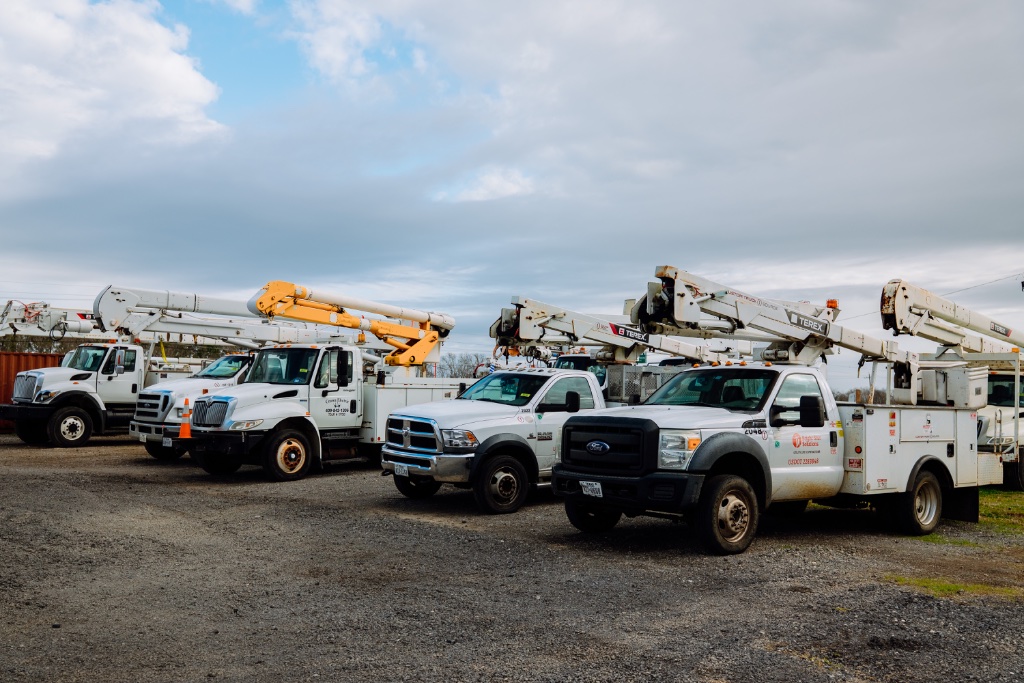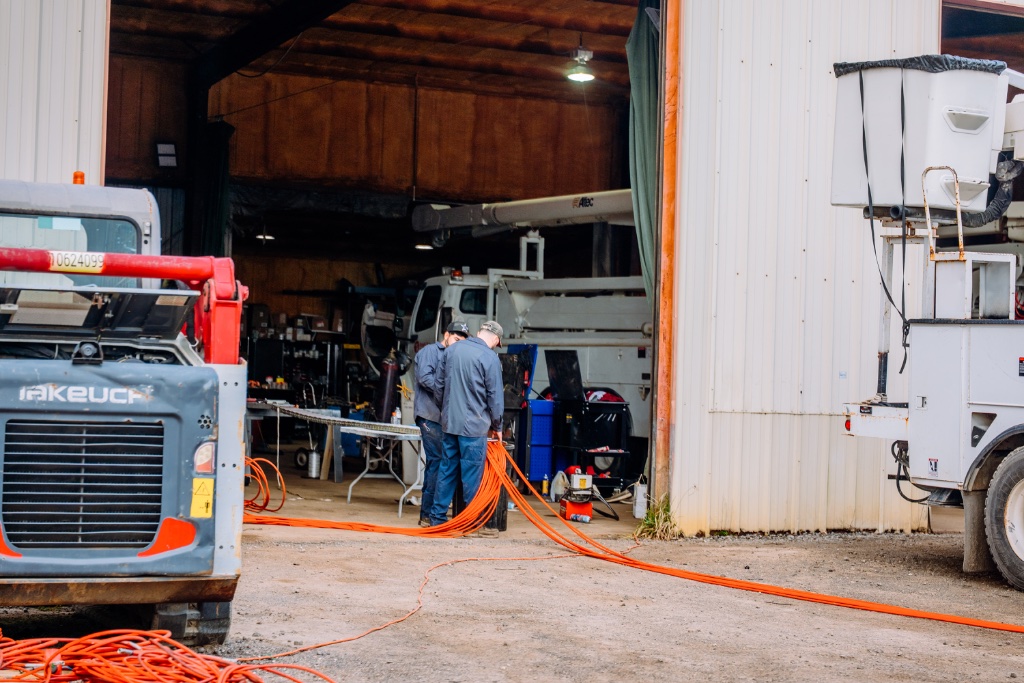
Texas Department of Transportation projects represent some of the most demanding operating environments for contractor fleets in the United States. Highway corridor construction, utility relocation, roadway expansion, and infrastructure rehabilitation projects place aerial devices, service trucks, and specialized equipment under continuous high-cycle use in conditions — heat, dust, vibration, and extended operating hours — that accelerate component wear well beyond national maintenance averages. Understanding TXDOT fleet maintenance requirements is the foundation of keeping a contractor fleet operational, compliant, and productive throughout a project cycle.
Unlike routine commercial operations where a day of downtime is inconvenient, a mechanical failure on a TXDOT project site carries consequences that compound quickly. Crew members on daily rates stop producing. Schedule milestones compress. Subcontractor coordination becomes reactive rather than planned. In corridor projects where lane closures are scheduled and permitted in advance, equipment downtime within a permitted window has cost implications that extend beyond the repair itself. TXDOT contractor equipment must be ready when the window opens — not when the repair is complete.
This guide addresses the core components of fleet maintenance responsibility for TXDOT contractors: what reliability expectations mean in practice, what preventive maintenance looks like for infrastructure fleet operations, how equipment inspection and documentation requirements apply to project work, and how mobile fleet service programs from CRANETEC support contractor fleets on active Texas infrastructure projects. For a full overview of our contractor fleet capabilities, see the TXDOT contractor fleet services page.
Why Fleet Reliability Matters for TXDOT Projects
Roadway fleet maintenance on TXDOT projects is not simply a best practice — it is a performance obligation embedded in contractor responsibilities. TXDOT project contracts define contractor responsibilities for prosecuting the work with adequate equipment, and equipment that is out of service is not adequate. The implication is direct: a contractor who cannot maintain project progress due to recurring equipment failures is in a performance position that creates contractual, financial, and reputational exposure.
Fleet reliability on TXDOT projects matters at three levels. First, it affects crew productivity — the direct cost of labor on a project site is only productive when the equipment that crew needs is operational. A bucket truck crew standing down while a hydraulic hose is repaired is billing hours against project budget without producing project progress. Second, it affects schedule performance — project milestones that depend on aerial access are delayed by any aerial device failure, compressing subsequent schedule activities and increasing the cost of acceleration needed to recover. Third, it affects contractor reputation — TXDOT project managers track contractor performance, and equipment reliability is a visible component of that record.
The standard for fleet reliability on infrastructure fleet service Texas projects is not perfection — equipment failures happen. The standard is rapid recovery: having the service capability to address failures quickly and return equipment to service without extended project disruption. That capability starts with preventive maintenance that reduces failure frequency, and extends to mobile repair capacity that minimizes recovery time when failures occur.
Preventive Maintenance Expectations
TXDOT fleet maintenance requirements operate within a broader framework of contractor responsibility for maintaining equipment in a condition adequate for the work — and preventive maintenance is the primary mechanism by which that condition is sustained over a project lifecycle. For contractor fleets operating in Texas, preventive maintenance intervals must be calibrated to actual operating conditions rather than generic manufacturer recommendations designed for moderate-climate, moderate-duty-cycle environments.
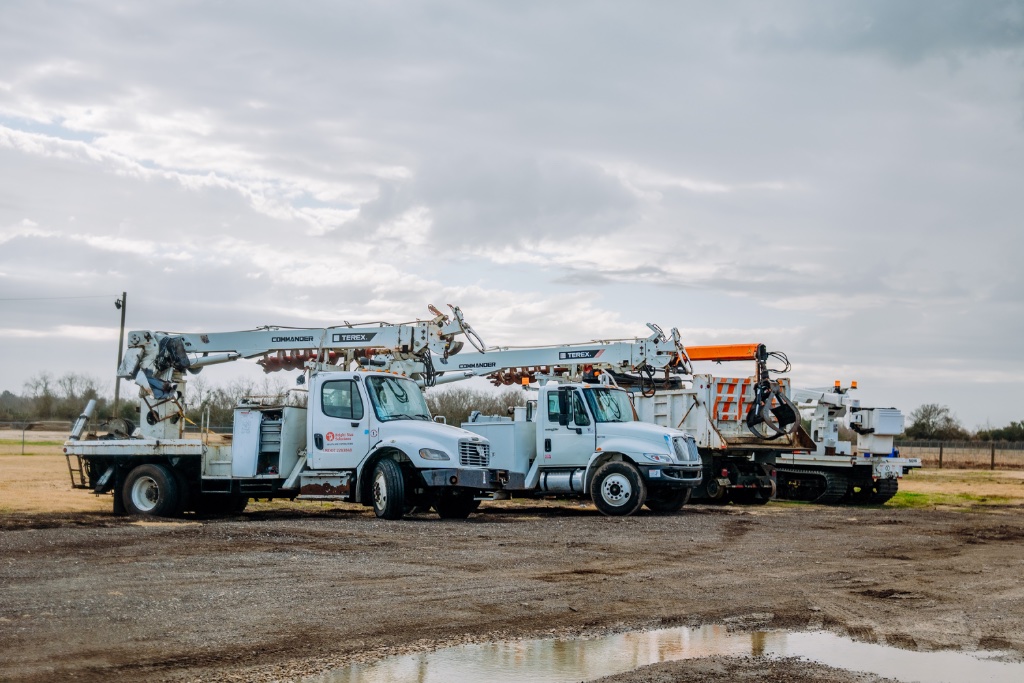
Engine and Fluid Service
Engine oil service intervals for heavy equipment operating in Texas summer heat — with ambient temperatures regularly exceeding 95°F and engine compartment temperatures substantially higher — should reflect that the thermal environment accelerates oil degradation relative to temperate-climate baselines. Contractors who follow manufacturer oil change intervals calibrated for moderate operating environments will find that fluid condition degrades to a replacement threshold before the interval is reached. Our mobile oil change fleet service delivers on-site engine and hydraulic fluid service at contractor facilities and staging yards — eliminating the transport logistics that cause maintenance deferral in the first place.
Hydraulic System Maintenance
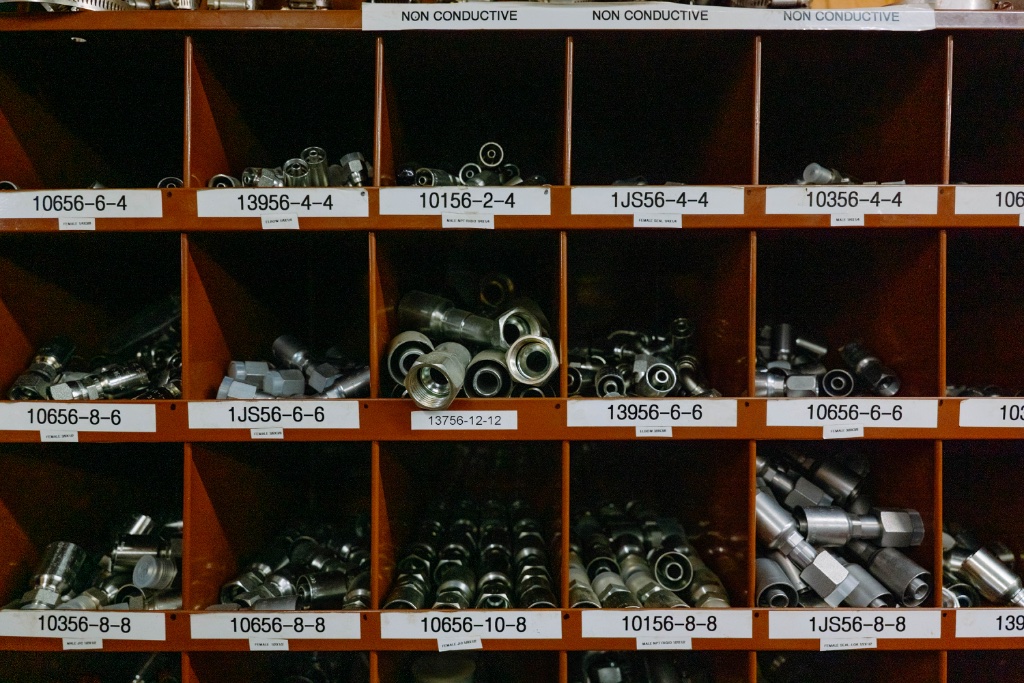
Hydraulic system preventive maintenance for aerial devices on TXDOT projects encompasses more than fluid service. Each visit should include system pressure testing at all boom and outrigger circuits, hose condition evaluation covering cover integrity and fitting condition, cylinder rod seal assessment, pump output pressure trending, and fluid condition monitoring. Hose degradation and cylinder seal wear follow predictable patterns that are identifiable during routine inspection — and addressable during the inspection visit — long before they produce field failures. The fleet preventive maintenance programs from CRANETEC build hydraulic system monitoring into every scheduled service visit as a standard element, not an add-on.
Chassis and Driveline Service
Service trucks and specialized equipment on TXDOT project sites accumulate operating hours at rates that can exceed normal fleet averages — project work involves sustained low-speed operation, frequent starts and stops, and operation on unimproved surfaces that create dust ingestion and vibration loads beyond highway driving. Chassis lubrication, differential and transmission fluid service, and brake system inspection should be scheduled at intervals that reflect actual accumulated hours and conditions rather than calendar-based schedules that may not correlate with operating intensity.
Core Preventive Maintenance Elements — TXDOT Fleet
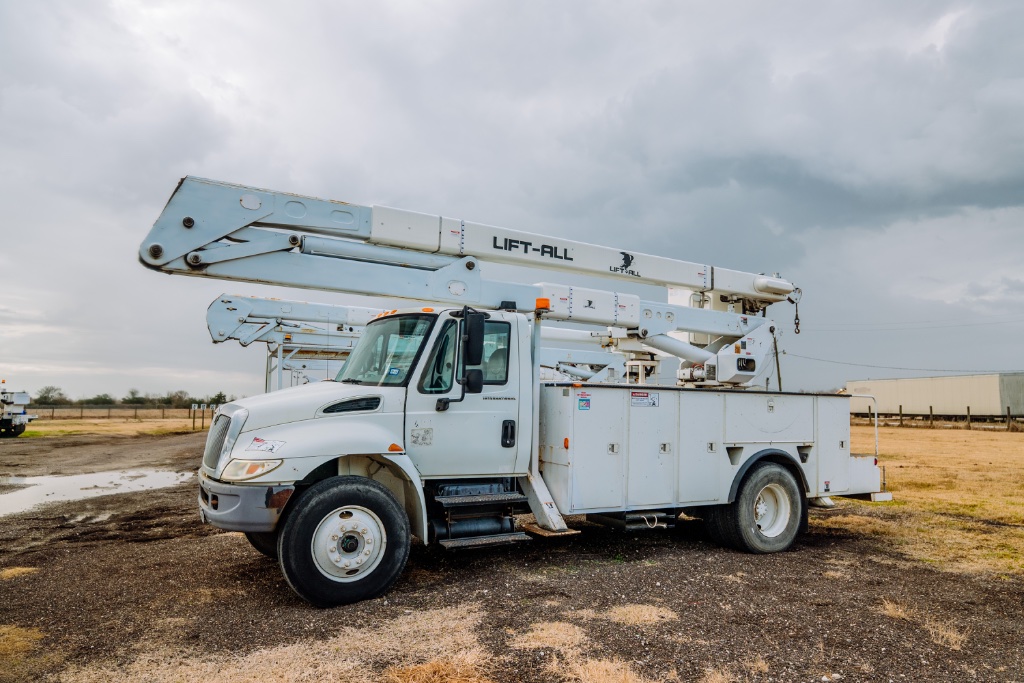
Equipment Inspections and Readiness
Equipment inspection documentation is a core component of TXDOT contractor equipment readiness. For aerial devices specifically, ANSI A92.2 annual inspection is a regulatory baseline — not an option — and units with overdue inspections or open corrective action findings from prior inspections are not in a compliant condition for deployment on any project. Contractors who discover that inspection records are not current during project mobilization face a compressed timeline to achieve compliance that is both costly and disruptive.
ANSI A92.2 inspection covers structural condition at all load-bearing interfaces, hydraulic system functional testing, electrical system and safety interlock verification, boom and platform condition assessment, and range-of-motion functional testing. Each of these areas can produce findings that require corrective action before the unit is returned to service. Completing ANSI inspection well in advance of project mobilization provides time to address findings without creating a compliance gap at project launch. Bucket truck maintenance from CRANETEC integrates ANSI inspection scheduling as a standard program element.
Dielectric testing — required annually for all aerial devices used in proximity to energized conductors — is a separate compliance requirement that must also be current and documented. For utility contractors working on roadway projects that involve overhead utility infrastructure, dielectric certification is non-negotiable. CRANETEC provides both ANSI inspection and dielectric testing through mobile service visits that minimize equipment downtime.
Reducing Downtime on Roadway Projects
Roadway fleet maintenance strategies that minimize downtime on TXDOT projects share a common approach: intervention at the inspection stage rather than the failure stage. Every hydraulic hose that is replaced based on condition findings during a routine service visit is a hose that did not rupture on a job site. Every cylinder seal replaced at early weepage is a seal that did not fail at full fluid loss. Every pump output trend that triggers investigation is a pump that did not cavitate to failure. The financial math is consistently in favor of proactive service — but only when service is actually scheduled and completed.
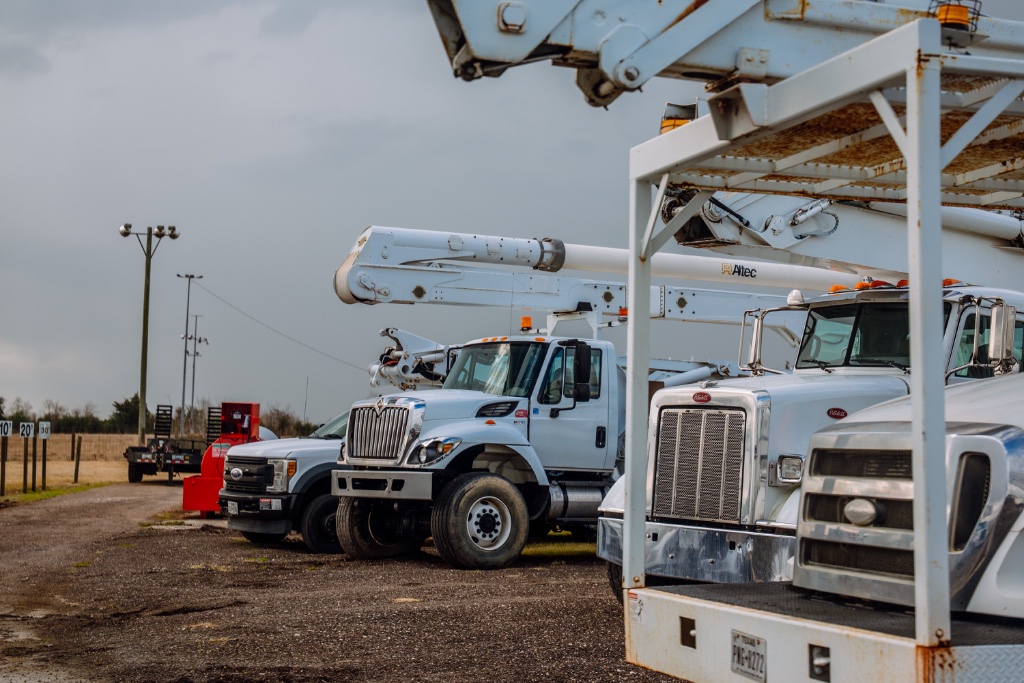
Scheduling Maintenance Around Project Timelines
The most effective approach to reducing downtime on TXDOT projects is building maintenance schedules backward from project milestone dates. If a major aerial access operation is scheduled for a specific week, the preventive maintenance visit for the aerial device units involved should be scheduled three to four weeks prior — providing time to identify findings, obtain parts, and complete corrective action before the operational window opens. This approach eliminates the scenario where a service finding discovered during the operational window creates a compliance delay at the worst possible time.
Emergency Response Planning
Even well-maintained fleets experience unexpected failures. The difference in project impact between a contractor with an established mobile service relationship and one without is measured in hours. A contractor who calls CRANETEC at 6 AM with a hydraulic hose failure on an active project site has a mobile unit dispatched to their location with hose fabrication capability, seal kits, and diagnostic tools — arriving while the crew prepares for the remainder of the day's work. A contractor without that relationship is transporting the unit to a shop, waiting for service scheduling, and losing a full project day minimum. Mobile bucket truck repair from CRANETEC is available 24/7 for emergency dispatch across Texas project corridors.
Fleet-Level vs Unit-Level Maintenance
Contractors managing multiple units on a TXDOT project benefit substantially from fleet-level maintenance programs rather than unit-by-unit scheduling. A fleet-level program delivers service to multiple units in a single site visit — completing oil changes, hydraulic inspections, and compliance reviews across all project fleet units simultaneously. This approach compresses the total time equipment is unavailable for service visits, creates uniform documentation across the fleet, and ensures that all units are on the same service cycle regardless of individual operating hour variation. CRANETEC's fleet preventive maintenance programs are designed specifically for this multi-unit, project-aligned service model.
Mobile Fleet Maintenance for TXDOT Contractors
The most effective maintenance model for TXDOT contractor equipment is mobile service delivered at the contractor's location — eliminating transport logistics, reducing total downtime, and allowing maintenance to be integrated into project schedules rather than interrupting them.