
For utility contractors, construction companies, and municipal fleet operators running equipment across Charlotte, Raleigh, Durham, Greensboro, Winston-Salem, and the broader North Carolina market, fleet reliability is not an aspirational goal — it is a contractual and operational requirement. Equipment downtime on an active job site produces immediate crew productivity loss, project schedule impact, and in utility work, potential contract performance penalties. Preventive maintenance contractor fleets North Carolina programs are the most direct and cost-effective mechanism for reducing unplanned equipment failures, maintaining regulatory compliance, and controlling long-term maintenance cost across fleet operations of any size.
The core logic of preventive maintenance is straightforward: equipment systems degrade progressively over time, and the cost of addressing developing issues during scheduled maintenance visits is consistently lower than the cost of responding to field failures after they occur. Engine oil that exceeds its service interval loses viscosity stability and leaves engine surfaces with degraded lubrication protection. Hydraulic hoses approaching end-of-service-life present burst risk during high-demand operations. Electrical connectors developing oxidation produce intermittent control behavior that compounds into operational failures. Each of these failure mechanisms is detectable and addressable during a structured preventive maintenance visit — and invisible until it produces a field failure under a reactive maintenance model.
CRANETEC provides mobile fleet maintenance North Carolina programs for contractor fleets across the state, delivering the full scope of preventive maintenance services at the contractor's facility, staging yard, or active job site. This article covers the structure of effective preventive maintenance programs, the services they include, the fleet types that benefit most, and how CRANETEC's mobile service model makes consistent preventive maintenance practical for North Carolina contractor fleets operating across distributed project locations.
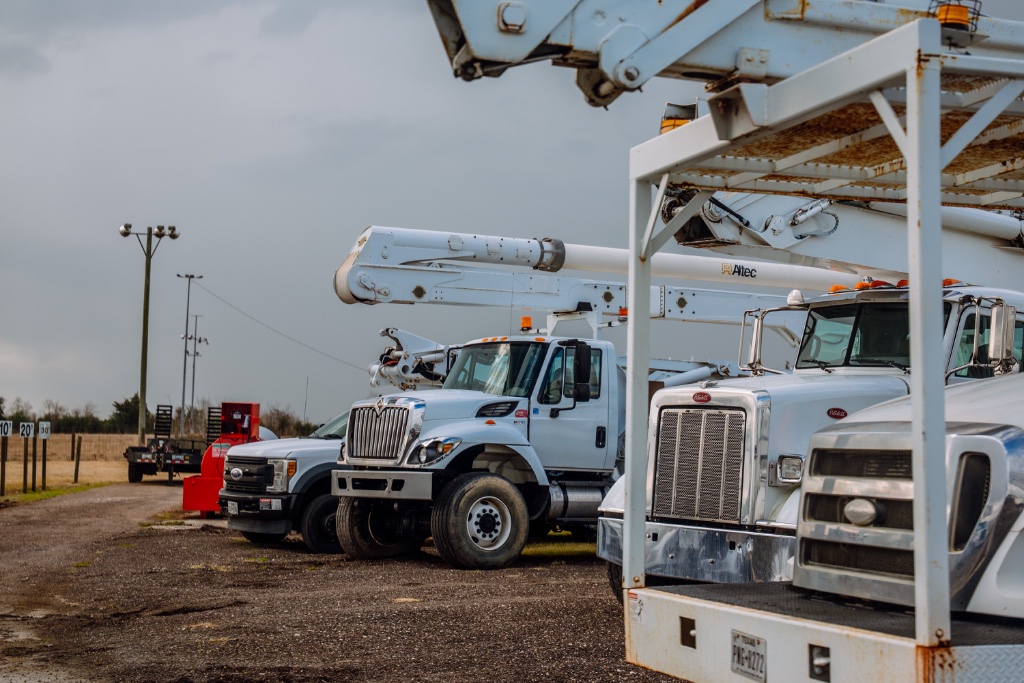
What Is Preventive Fleet Maintenance?
Preventive fleet maintenance is a structured program of scheduled inspections, fluid services, and component assessments performed at defined intervals — before failures occur rather than in response to them. Unlike reactive maintenance, which addresses equipment issues after they produce operational failures, fleet maintenance programs North Carolina preventive programs intercept developing problems during routine service visits when repair or adjustment costs are a fraction of what field failure response requires.
For North Carolina contractor fleets, an effective preventive maintenance program has three components: a service schedule calibrated to each vehicle's actual duty cycle and operating conditions; a structured inspection protocol that assesses component condition against defined acceptance criteria at each service event; and a documentation system that produces complete service history records for every unit in the fleet.
The service schedule component is frequently underestimated in its importance. Generic manufacturer interval guidelines are developed for national-average operating conditions that bear limited resemblance to the actual demands placed on contractor fleet equipment in North Carolina's utility, construction, and infrastructure markets. Vehicles operating PTO-driven hydraulic systems, towing heavy equipment trailers, or running extended highway transit corridors between project sites degrade engine oil, hydraulic fluid, and drivetrain lubricants at rates that make standard intervals inadequate. CRANETEC establishes fleet-specific service schedules based on each fleet's documented operational profile rather than applying off-the-shelf interval recommendations.
The inspection protocol component converts routine maintenance events into condition assessments. A technician performing an oil change who also evaluates fluid condition, checks for visible leaks, inspects belt and hose condition, assesses filter restriction, and notes any developing anomalies is performing preventive maintenance. A technician who only performs the oil change is performing routine servicing. The inspection layer is what generates the early warning data that preventive programs depend on.
Why Preventive Maintenance Is Critical for Contractor Fleets
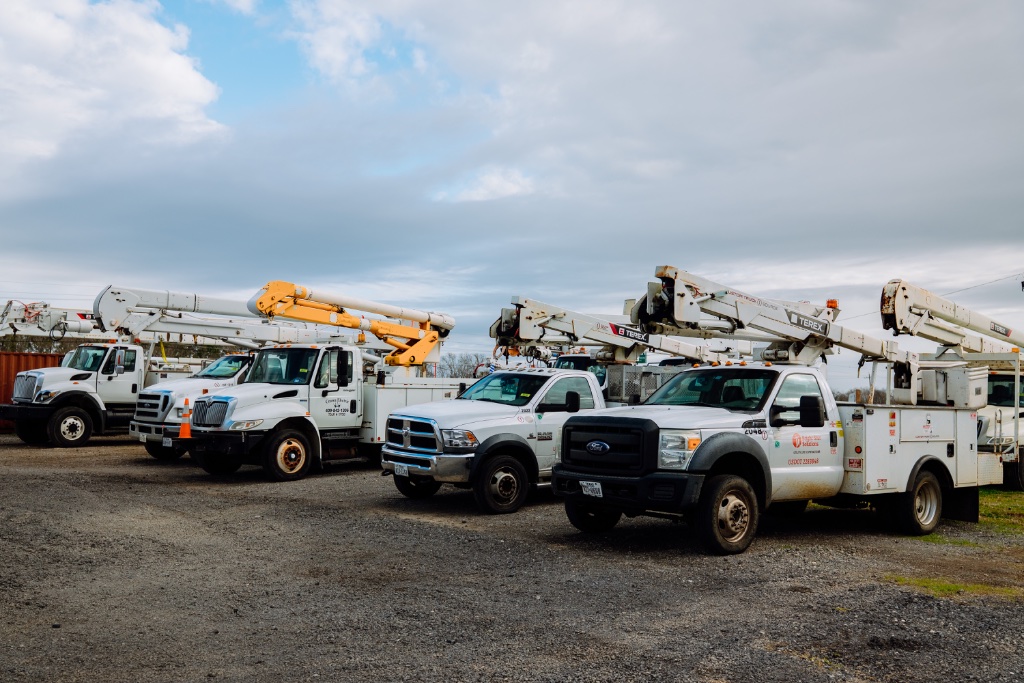
The business case for preventive maintenance contractor fleets North Carolina programs rests on four categories of measurable benefit: reduced unplanned downtime, longer equipment service life, improved safety and compliance documentation, and lower total maintenance cost over the fleet lifecycle.
Reduced Downtime
Unplanned equipment downtime is the highest-cost maintenance outcome in contractor fleet operations. When a bucket truck fails hydraulically at a job site, the direct costs include emergency repair at premium labor rates, possible towing, and lost production for the crew assigned to that unit. The indirect costs — project schedule slip, potential client notification, and contract performance risk — frequently exceed the direct repair costs. Contractor fleet maintenance North Carolina preventive programs that maintain consistent service intervals and perform structured condition inspections eliminate the majority of failure events that generate these costs.
Longer Equipment Service Life
Equipment that operates with fresh lubricants, clean filters, and correctly functioning systems at all times accumulates mechanical wear at the lowest possible rate. Engines that operate with thermally degraded oil during the final period before an overdue oil change accumulate accelerated ring and bearing wear that compounds over thousands of hours of operation. Hydraulic systems that run with water-contaminated or oxidized fluid develop internal corrosion that progressively damages cylinders and pumps. Preventive programs that maintain fluid condition eliminate these accelerated wear mechanisms, extending component service life measurably beyond what reactive maintenance programs achieve.
Safety and Compliance
North Carolina contractor fleets operating aerial devices must maintain current ANSI A92.2 inspection documentation and current dielectric certification for energized-line units. Utility clients awarding storm restoration contracts, powerline construction subcontracts, and infrastructure maintenance agreements increasingly require maintenance documentation as a qualification condition. Preventive programs that integrate ANSI inspections and dielectric testing into the routine maintenance calendar ensure compliance deadlines are met proactively — not addressed reactively when a unit reaches a compliance deadline during an active project deployment.
Lower Total Maintenance Cost
Preventive maintenance is more expensive per service event than reactive maintenance on an individual event basis. It is substantially less expensive on a total annual cost basis because it eliminates the emergency repair premium — the elevated labor rate, expedited parts sourcing, and logistical cost of field failure response. For North Carolina contractor fleets at meaningful utilization rates, structured preventive programs consistently produce lower total annual maintenance cost than reactive maintenance approaches despite higher per-visit expenditure.
Key Services Included in Preventive Fleet Maintenance Programs
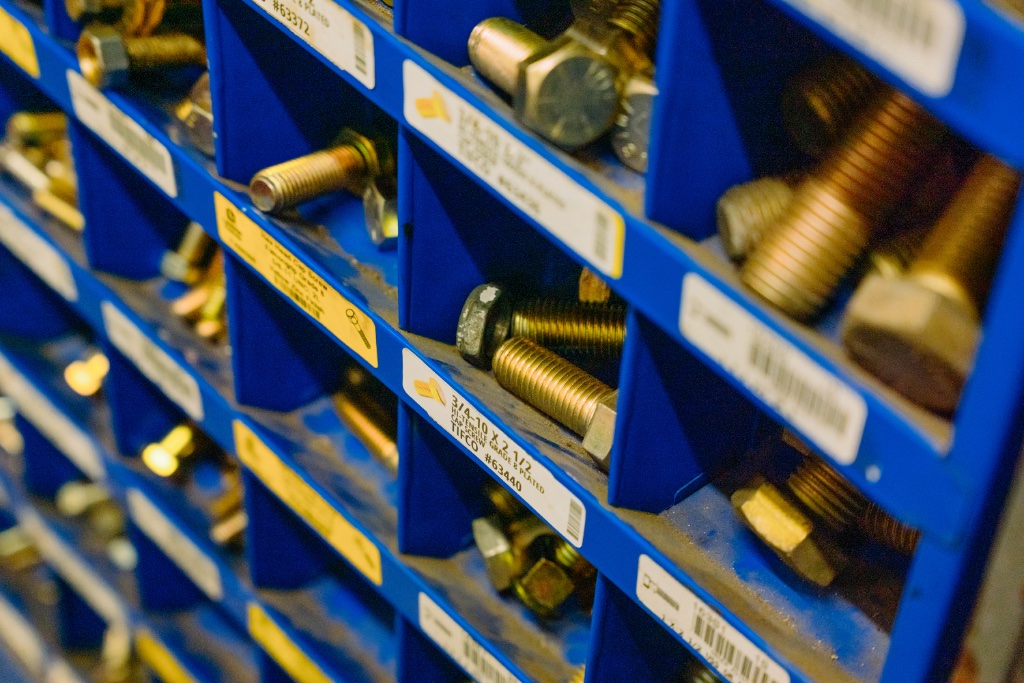
CRANETEC fleet maintenance programs North Carolina cover the full scope of services required to maintain contractor fleet equipment in known, documented condition. The following services are standard components of structured preventive programs for North Carolina utility and contractor fleets.
Oil and Filter Service
Engine oil and filter replacement on fleet-specific intervals calibrated to actual duty cycle and operating conditions. CRANETEC oil change programs for North Carolina contractor fleets account for PTO operation, sustained highway transit, and load conditions that compress appropriate service intervals relative to manufacturer specifications developed for lighter-duty applications. Complete fluid service documentation is produced at each event, providing audit-ready maintenance records for every unit in the fleet.
Hydraulic System Inspection
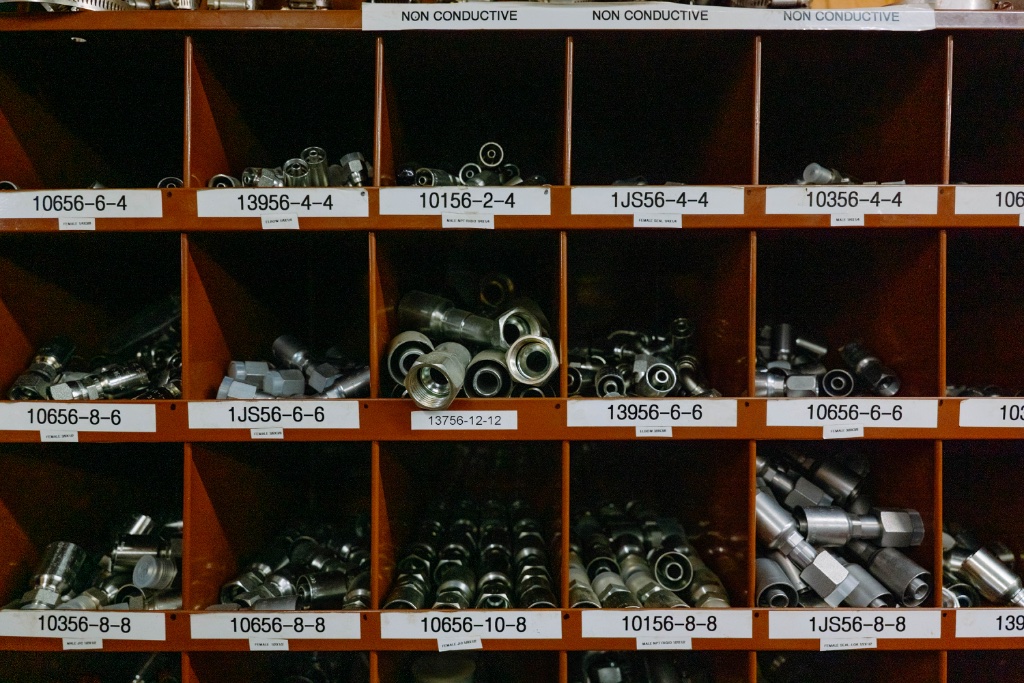
Hydraulic system condition assessment covering fluid condition analysis including water content testing, hose assembly inspection for cover condition and UV degradation, cylinder drift testing under sustained load, and pump and control valve function verification through the full range of motion. Hydraulic failures on aerial devices and utility equipment are among the most operationally impactful failure categories — taking units completely out of service. Quarterly hydraulic inspections under a structured preventive program identify developing issues before they reach field failure.
Electrical System Diagnostics
Control enclosure seal condition, connector interface oxidation assessment, full control function verification, and battery load testing. Electrical system failures in contractor fleet equipment — particularly in aerial devices and hydraulic controls — frequently develop as intermittent issues before stabilizing into permanent failures. Semi-annual electrical diagnostics under a preventive program identify developing connector corrosion, enclosure seal degradation, and wiring harness issues before they produce operational failures in the field.
Equipment Safety Inspections
Annual ANSI A92.2 inspections for all aerial devices covering structural, hydraulic, electrical, and safety system components per current standard requirements. Annual dielectric testing for units performing energized-line work. CRANETEC performs certified mobile ANSI inspections and dielectric testing as part of scheduled preventive maintenance visits — integrating regulatory compliance into the routine maintenance calendar rather than treating it as a separate, parallel process.
Fluid Monitoring and Lubrication
Complete fluid condition monitoring covering transmission fluid, differential and transfer case lubricants, brake fluid, power steering fluid, and coolant additive package condition. Boom and articulation point lubrication on shortened intervals to account for North Carolina's variable weather conditions. Fluid condition trends accumulated over multiple service intervals provide early indicators of developing mechanical issues — making structured fluid monitoring programs a proactive tool for fleet reliability rather than a reactive response to developing problems.
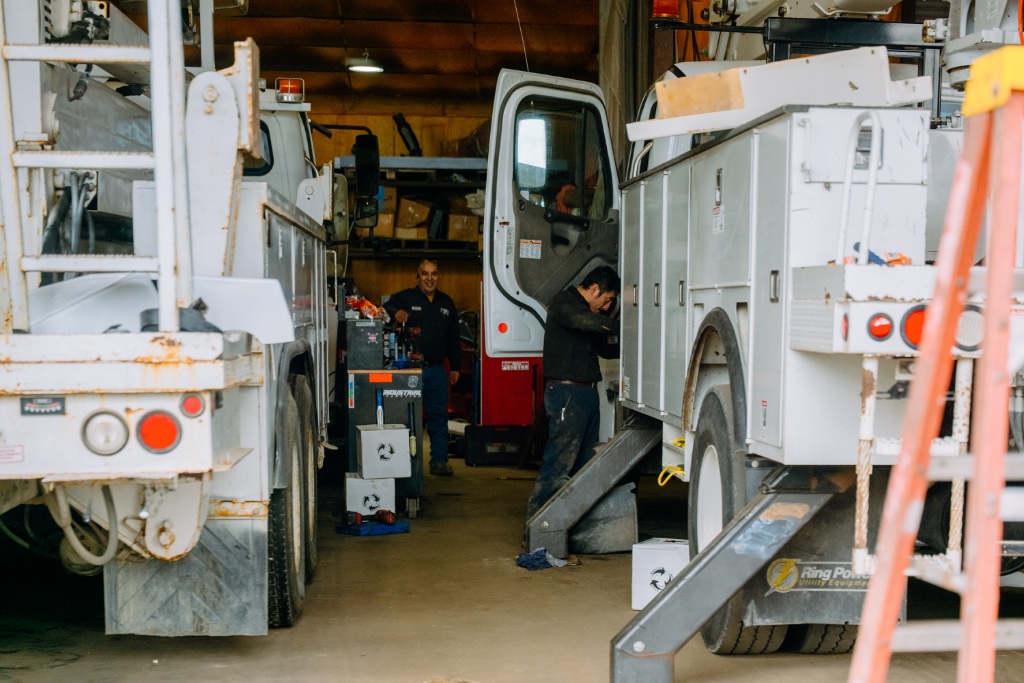
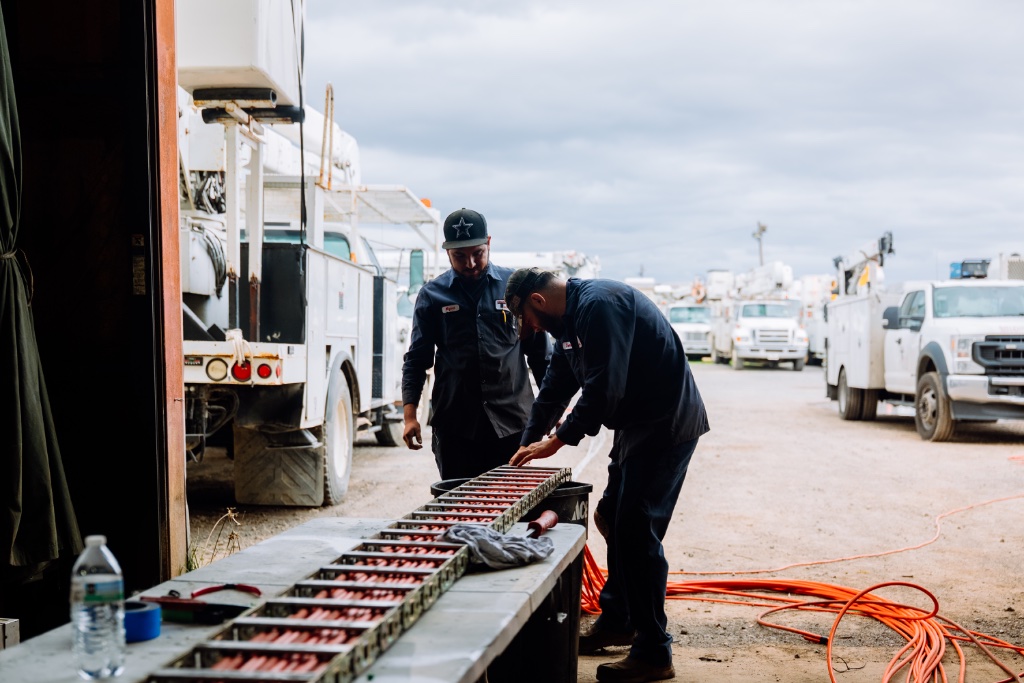
Contractor Fleets That Benefit from Preventive Maintenance
Preventive maintenance contractor fleets North Carolina programs apply across the full spectrum of vehicle types operating in utility, construction, and contractor fleet applications. The operational and financial benefits of structured preventive programs scale with fleet size and equipment value — but apply meaningfully to any fleet where equipment reliability is operationally significant.
Bucket Trucks and Aerial Devices
Bucket trucks are the highest-value assets in most utility contractor fleets and the vehicles for which preventive maintenance programs produce the most direct operational return. The combination of engine oil service, hydraulic system inspection, electrical system diagnostics, structural inspection, ANSI A92.2 certification, and dielectric testing requirements makes bucket truck maintenance a multi-dimensional compliance and reliability program rather than simple routine servicing. CRANETEC preventive programs for bucket truck fleets across preventive fleet maintenance Charlotte NC and preventive fleet maintenance Raleigh NC markets integrate all these components into coordinated mobile service visits that maintain both compliance documentation and mechanical reliability.
Service Trucks and Work Trucks
Service trucks form the operational backbone of contractor field operations — transporting crew, tools, and materials to job sites across North Carolina's construction and utility corridors. These vehicles accumulate high annual mileage under sustained load conditions. Consistent oil change intervals, drivetrain lubricant service, and cooling system maintenance under a structured preventive program extend engine and drivetrain service life measurably beyond what reactive maintenance achieves. For fleets of ten or more service trucks, the aggregate maintenance coordination benefit of mobile preventive programs — completing all units in a single scheduled event — produces direct administrative cost reduction alongside the mechanical reliability benefits.
Heavy-Duty Pickup Trucks
Heavy-duty pickups operated by project managers, field supervisors, and equipment operators represent a significant portion of most contractor fleets. Individual vehicle value is lower than specialized equipment, but aggregate fleet maintenance requirements across twenty or thirty pickups create substantial administrative overhead under a shop-based service model. Mobile preventive maintenance visits that cover the entire pickup truck fleet in a single event reduce this overhead while ensuring consistent service intervals across all units.
Municipal and Utility Fleet Vehicles
Municipal fleet operators and utility companies running specialized equipment — digger derricks, cable placers, line trucks, and other infrastructure maintenance vehicles — have preventive maintenance requirements that include both routine fluid service and specialized compliance inspections. CRANETEC utility fleet maintenance North Carolina programs address both components through coordinated mobile service events that cover routine oil and filter service, hydraulic system inspection, and compliance inspections in a single visit.
Fleet Types Covered Under NC Preventive Maintenance Programs
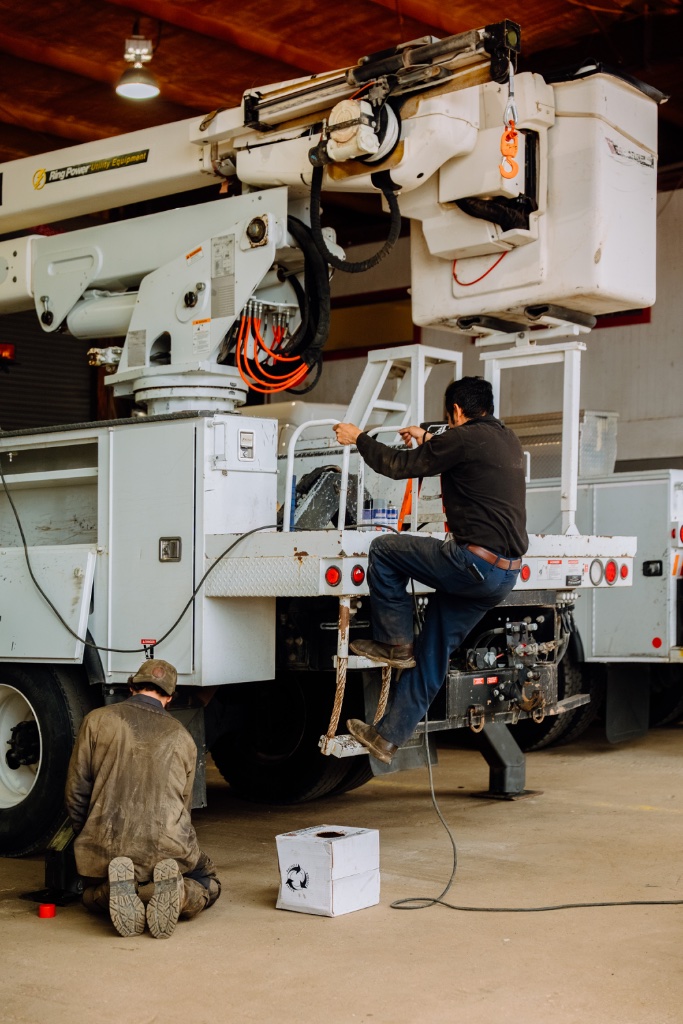
Mobile Preventive Maintenance Across North Carolina
The logistical challenge of executing consistent preventive maintenance across a distributed North Carolina contractor fleet is the primary reason preventive programs are deferred or incompletely executed. Shop-based service requires vehicle transport that removes units from productive operation; multi-facility fleet operations require coordinating vehicles from multiple locations into a single service appointment stream; and active project deployments create scheduling conflicts that push maintenance events into the future.
CRANETEC's mobile service model eliminates each of these friction points. Mobile fleet maintenance North Carolina service sends fully equipped service units directly to contractor locations — facilities, staging yards, and active job sites — performing the complete scope of preventive maintenance at the contractor's location without requiring vehicle transport or equipment consolidation. Multi-unit fleet visits complete oil changes, hydraulic inspections, fluid monitoring, and compliance documentation across an entire fleet in a single coordinated event.
Charlotte metro, Concord, Gastonia, Huntersville, Matthews.
Triangle — Raleigh, Durham, Cary, Chapel Hill, Apex.
Durham County and Research Triangle Park corridor.
Guilford County, High Point, Winston-Salem, I-85 corridor.
Western Wake County and I-40 corridor.
In Charlotte, CRANETEC serves the full metro market — Mecklenburg County, Concord, Gastonia, Huntersville, and Matthews — supporting utility contractors operating in Duke Energy's western NC service territory and the Charlotte metro's sustained commercial construction market. For complete Charlotte preventive maintenance capabilities, see Charlotte, NC mobile fleet maintenance.
In Raleigh and the Research Triangle, CRANETEC serves Wake County, Durham, Cary, Chapel Hill, and Apex — supporting contractor fleets in one of North Carolina's highest-growth utility infrastructure markets. For complete Triangle market capabilities, see Raleigh, NC mobile fleet maintenance.
In Greensboro, Winston-Salem, and the Piedmont Triad, CRANETEC serves contractor fleets operating along the I-85 and I-40 corridors — covering the state's central industrial and logistics construction markets.
For complete statewide coverage, see North Carolina mobile fleet maintenance.
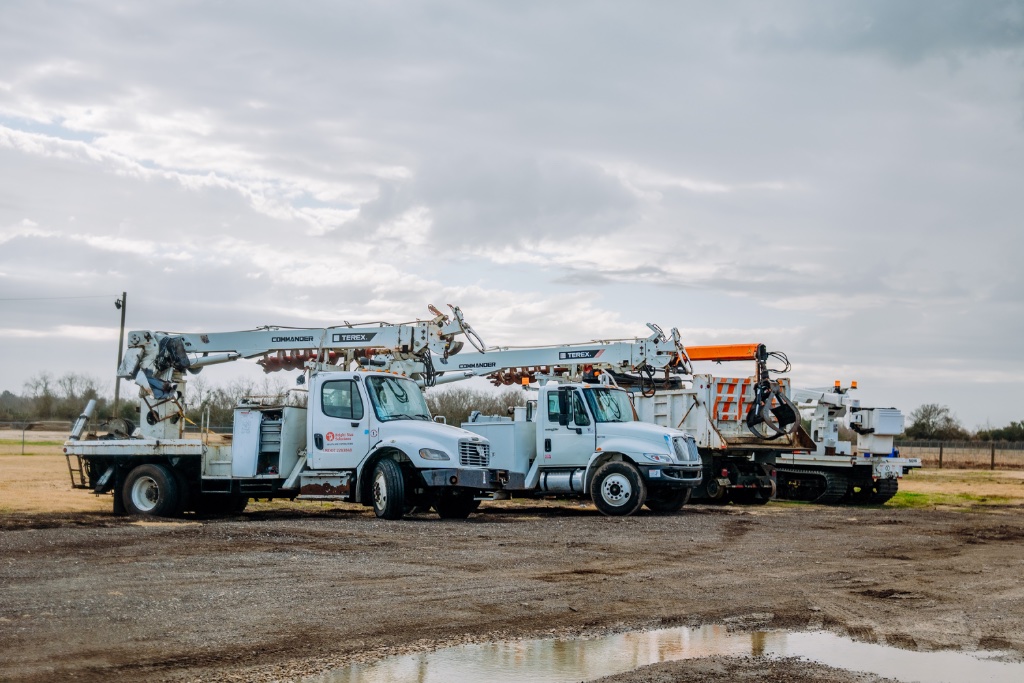

Building a Fleet Maintenance Schedule
An effective preventive maintenance contractor fleets North Carolina schedule is built from three inputs: regulatory requirements with hard deadlines, manufacturer recommendations adjusted for actual duty cycle, and condition-based interval adjustments driven by fluid analysis and inspection findings. CRANETEC works with fleet managers to develop maintenance calendars that account for all three inputs rather than defaulting to the most conservative or most lenient available guidance.
Service Intervals by System
Engine oil and filter service intervals are established based on each vehicle's engine specifications, operating load profile, and annual mileage or hours. High-load contractor fleet applications typically compress appropriate intervals to 60–75% of manufacturer specifications for light-duty application. Hydraulic fluid inspection on a quarterly basis and annual change is appropriate for most North Carolina utility fleet applications. Cooling system service — coolant condition testing, pressure testing, and hose inspection — at each oil change event plus annual comprehensive cooling system service. ANSI A92.2 inspection annually for all aerial devices; dielectric testing annually for energized-line units.
Maintenance Tracking and Documentation
Fleet-level maintenance tracking consolidates service history across all units into a unified record system. Rather than managing separate service files for each vehicle across multiple shop providers, CRANETEC mobile preventive programs produce consistent, standardized service records for every unit at every service event. Fleet managers receive documentation supporting ANSI inspection readiness, contractor qualification requirements, and insurance audit requests without assembling records from disparate sources.
Inspection Planning and Advance Scheduling
Preventive programs are most effective when compliance deadlines drive the maintenance calendar rather than reacting to them. CRANETEC coordinates ANSI inspection and dielectric testing scheduling for client fleets — tracking expiration dates and scheduling service visits that ensure compliance is maintained without creating conflicts with active project deployments. For North Carolina contractor fleets that deploy equipment to storm restoration work, advance scheduling also covers pre-deployment readiness inspections that verify compliance documentation currency before units are activated.
For mobile oil change service for North Carolina contractor fleets as a component of a broader preventive program, CRANETEC's mobile oil change programs cover the full range of engine and hydraulic fluid services as part of coordinated fleet maintenance visits. To discuss a preventive maintenance program for your fleet, visit CRANETEC's services page or contact the team directly.
Reference: NC Contractor Fleet Maintenance Intervals