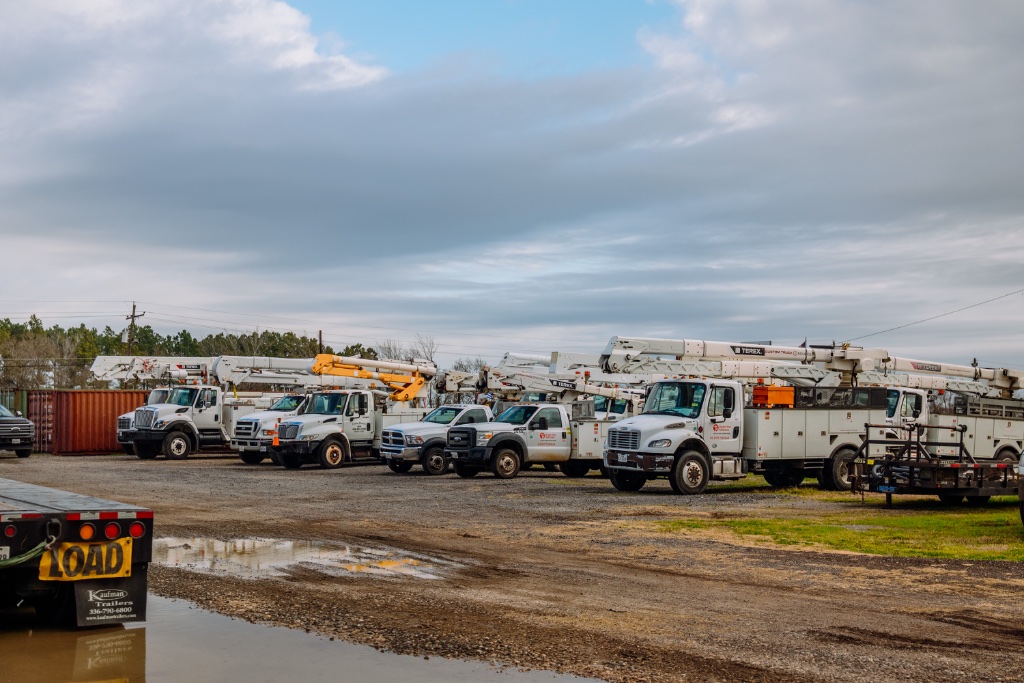
Commercial Truck Air Brake Repair
Commercial Truck Air Brake Repair That Keeps Your Fleet Safe & DOT Compliant
Professional air brake diagnostics, ABS repair, brake inspections, brake component replacement, and preventive maintenance for heavy-duty commercial trucks and fleets.
(409) 752-5400CRANETEC Commercial Truck Air Brake Repair
What commercial truck air brake repair services does CRANETEC provide?
CRANETEC provides commercial truck air brake repair including air brake diagnostics, brake chamber replacement, spring brake repair, slack adjuster inspection and replacement, brake shoe, drum, rotor, and pad replacement, S-cam and camshaft bushing replacement, wheel seal replacement, wheel end inspection, ABS diagnostics and ABS sensor replacement, relay valve, quick release valve, and foot valve repair, air compressor repair, air dryer service, governor replacement, air tank inspection, air line repair, brake adjustment, brake balance inspection, DOT brake inspection, preventive brake maintenance, fleet brake maintenance programs, and emergency brake repairs. See our Heavy-Duty Truck Repair hub for the full service cluster.
Graphic Placeholder
Heavy Duty Air Brake System Diagram
Labeled diagram of a heavy-duty air brake system — compressor, governor, air dryer, tanks, foot valve, relay valves, quick release valves, brake chambers, slack adjusters, S-cams, shoes, drums, and ABS.
Introduction
Why Commercial Air Brake Repair Matters
A commercial truck\u2019s air brake system is the most safety-critical system on the vehicle. Unlike hydraulic brakes on a passenger car, a heavy-duty air brake system uses compressed air — built by an engine-driven compressor, dried by an air dryer, stored in tanks, and distributed through valves to the brake chambers at every wheel — to stop tens of thousands of pounds of truck and load. When any part of that system fails, the stopping distance, control, and safety of the entire vehicle are compromised.
Brake failures are one of the leading causes of commercial truck accidents, DOT out-of-service violations, and CSA score damage. A truck with out-of-adjustment slack adjusters, worn linings, an audible air leak, or an inoperative ABS system is not just non-compliant — it is a direct liability to the fleet and a hazard to the driver and the public. The cost of a roadside brake failure, from towing to missed delivery to increased insurance exposure, dwarfs the cost of the preventive maintenance that would have prevented it.
Professional inspection and diagnostics are the foundation of brake safety. A trained heavy-duty technician measures chamber stroke, checks lining thickness, tests air build and leak-down rates, reads ABS fault codes, and inspects wheel ends for seal leaks and bearing play. This root-cause approach finds the actual fault — a failing compressor passing oil, a saturated air dryer, a sticking relay valve — instead of simply replacing the part that finally failed. Diagnostics prevent the repeat failures that cost fleets time and money.
Preventive maintenance extends the life of every brake component. Scheduled inspections catch wear before failure, adjustment keeps stroke in spec, air dryer service prevents the moisture and oil that ruin valves and chambers, and wheel-end inspections prevent roadside failures. A consistent brake maintenance program lowers cost per mile, reduces unplanned downtime, keeps every unit DOT-compliant, and protects the fleet\u2019s safety record and liability position.
CRANETEC helps commercial fleets maximize safety, maintain DOT compliance, and reduce operating costs through expert air brake diagnostics, repair, inspections, and maintenance. Our commercial-only focus, experienced heavy-duty technicians, and OEM-level diagnostics make us the trusted partner for transportation companies, contractors, municipalities, utilities, and owner-operators across our service area. Explore our Heavy-Duty Truck Repair cluster for the full range of commercial truck services.
Safety-Critical System
Air brakes are the single most safety-critical system on a commercial truck. A fault is not a convenience issue — it is a direct hazard to the driver, the load, and everyone on the road.
Liability & Cost
Brake failures increase liability, downtime, towing, and operating costs. A neglected brake system is a leading cause of accidents, DOT out-of-service violations, and CSA score damage.
Professional Diagnostics
Professional inspections and diagnostics find the root cause — a leaking chamber, a failing compressor, a contaminated air dryer — before it becomes a roadside failure.
Preventive Maintenance
Preventive maintenance extends brake system life, keeps stroke and lining in spec, and protects the compressor, dryer, valves, and wheel ends from the contamination that shortens their life.
Why Commercial Air Brake Repair Matters
Why Commercial Air Brake Repair Matters
Twelve reasons professional air brake repair and maintenance matter for every commercial fleet.
Fleet Safety
A sound air brake system is the foundation of fleet safety — it protects the driver, the load, and everyone on the road.
Driver Safety
Reliable brakes give drivers confidence and control in every stop, every descent, and every emergency.
DOT Compliance
Properly maintained brakes keep every unit compliant with FMCSA and CVSA standards and ready for roadside inspections.
Reduced Downtime
Preventive brake service moves repair from emergency to planned, keeping trucks productive and on schedule.
Lower Operating Costs
Planned brake maintenance costs a fraction of a single roadside failure and lowers cost per mile over the fleet’s life.
Reliable Stopping Performance
Proper adjustment, linings, and balance restore the stopping distance and control the truck was designed for.
Equipment Longevity
Clean air, correct adjustment, and early component service extend the life of every brake part and wheel end.
Fleet Productivity
Trucks that stop reliably and pass inspections stay on the road and keep revenue moving.
Business Continuity
A documented brake program keeps operations predictable and protects against the disruption of a roadside failure.
Preventive Maintenance
Scheduled inspections, adjustment, and air dryer service prevent the failures that sideline trucks.
Reduced Liability
Documented brake maintenance is a fleet’s best evidence of safe, responsible operation in any incident.
Return on Investment
Every dollar spent on brake maintenance returns multiple dollars in avoided breakdowns, citations, and component damage.
Brake Safety Reminder
Never ignore a low air warning, an ABS light, or a brake that pulls or drags. Air brake faults are safety-critical and a leading cause of DOT out-of-service violations. The earlier a brake concern is diagnosed, the more likely a targeted repair can save the component — and avoid a roadside failure. Schedule a brake inspection while the symptom is still present.
Commercial Equipment We Service
Commercial Equipment We Service
16 equipment types — each with its own brake system demands and duty cycles.
Class 5 Trucks
Medium-duty commercial trucks in the 16,001–19,500 lb GVWR range.
Tap for details
Class 6 Trucks
Medium-duty trucks in the 19,501–26,000 lb GVWR range.
Tap for details
Class 7 Trucks
Heavy-duty trucks in the 26,001–33,000 lb GVWR range.
Tap for details
Class 8 Trucks
Heavy-duty trucks over 33,000 lb GVWR — the backbone of line-haul.
Tap for details
Semi Trucks
Tractors that pull semi-trailers in freight and logistics operations.
Tap for details
Day Cabs
Tractors without a sleeper, used for regional and local routes.
Tap for details
Sleeper Trucks
Long-haul tractors with a sleeper cab for over-the-road freight.
Tap for details
Dump Trucks
Vocational trucks for hauling aggregate, asphalt, and construction materials.
Tap for details
Bucket Trucks
Aerial lift trucks for utility and telecommunications work.
Tap for details
Service Trucks
Mobile service and mechanic trucks with cranes and compressors.
Tap for details
Utility Trucks
Trucks built for electric, gas, and telecommunications utility work.
Tap for details
Construction Equipment
Heavy vocational equipment for job-site and infrastructure work.
Tap for details
Boom Trucks
Truck-mounted cranes for lifting and material handling.
Tap for details
Municipal Vehicles
City and county trucks for public works and sanitation.
Tap for details
Vocational Trucks
Specialized trucks built for a specific trade or duty cycle.
Tap for details
Commercial Trailers
Van, flatbed, reefer, and specialty trailers pulled by commercial tractors.
Tap for details
Graphic Placeholder
Brake Chamber Components
Diagram showing brake chamber components — diaphragm, pushrod, spring (in spring brake chambers), housing, and clevis connection to the slack adjuster.
Air Brake Components We Service
Air Brake Components We Service
23 air brake components — each with typical applications, common failures, inspection methodology, and preventive maintenance recommendations.
Brake Chambers
Convert air pressure into mechanical force at every wheel on air-braked trucks and trailers.
Tap for detail
Spring Brakes
Parking and emergency brake application using a powerful spring released by air pressure.
Tap for detail
Slack Adjusters
Convert chamber rotary output to S-cam rotation and maintain shoe-to-drum clearance as linings wear.
Tap for detail
Brake Shoes
Carry the friction lining that contacts the drum to stop the truck.
Tap for detail
Brake Drums
Provide the friction surface against which the shoes press to stop the truck.
Tap for detail
Brake Rotors
Friction surface on disc-brake-equipped commercial vehicles.
Tap for detail
Brake Pads
Friction material on disc-brake-equipped commercial vehicles.
Tap for detail
S-Cams
Rotate to push the brake shoes against the drums on drum-brake systems.
Tap for detail
Cam Bushings
Support and locate the S-cam in the brake spider.
Tap for detail
Wheel Ends
Bearings, seals, and hubs that support the wheel and brake assembly.
Tap for detail
Wheel Seals
Seal the lubricant in the wheel end and protect bearings from contamination.
Tap for detail
ABS Systems
Anti-lock brake system that prevents wheel lock under hard braking.
Tap for detail
Wheel Speed Sensors
Report wheel speed to the ABS ECU for anti-lock control.
Tap for detail
Relay Valves
Speed air delivery to the rear brake chambers for faster application.
Tap for detail
Foot Valves
The driver-operated valve that controls air to the brake chambers.
Tap for detail
Quick Release Valves
Release brake air quickly for faster brake release.
Tap for detail
Air Compressors
Build the compressed air that powers the entire brake system.
Tap for detail
Air Dryers
Remove moisture, oil, and contaminants from compressed air before the tanks.
Tap for detail
Governors
Control compressor cut-in and cut-out to maintain air system pressure.
Tap for detail
Air Tanks
Store compressed air for the brake system and supply air to the chambers.
Tap for detail
Air Lines
Carry compressed air between the compressor, tanks, valves, and chambers.
Tap for detail
Brake Adjustment Systems
Maintain correct shoe-to-drum clearance as linings wear, via manual or automatic slack adjusters.
Tap for detail
Graphic Placeholder
Slack Adjuster Operation
Diagram showing slack adjuster operation — chamber pushrod rotation, slack adjuster lever arm, S-cam rotation, and shoe-to-drum clearance.
Heavy-Duty Technician Recommendation
A brake chamber that repeatedly goes out of adjustment is not an adjustment problem — it is a worn or faulty slack adjuster. Repeated manual adjustment of an automatic slack adjuster is a red flag that the adjuster needs replacement, not another adjustment.
Complete Air Brake Repair Services
Complete Air Brake Repair Services
30 air brake services covering every component, system, and fleet need.
Complete Air Brake Diagnostics
Pressure, leak, and system testing pinpoint the root cause of any brake fault.
Warning signs: Low air, warning lights, weak or uneven braking, any brake symptom.
Fleet impact: Accurate diagnosis prevents repeat repairs and unnecessary parts replacement.
PM tip: Diagnostics are the first step in every brake service.
Schedule Air Brake ServiceBrake System Inspection
Complete inspection of chambers, linings, drums, valves, and air supply.
Warning signs: Scheduled PM, pre-trip findings, or any brake concern.
Fleet impact: Catches wear before failure and keeps every unit DOT-ready.
PM tip: Inspect at every scheduled PM and before any DOT inspection.
Schedule Air Brake ServiceBrake Chamber Replacement
Diaphragm or worn chamber replacement restores reliable brake application.
Warning signs: Chamber leak, no stroke, dragging brake, low air warning.
Fleet impact: Restores safe braking force and prevents roadside failure.
PM tip: Inspect at every PM; replace any leaking or stroke-faulty chamber.
Schedule Air Brake ServiceSpring Brake Repair
Service and replacement of parking and emergency spring brake chambers.
Warning signs: Parking brake will not apply or release, leak, binding.
Fleet impact: Restores reliable parking and emergency braking.
PM tip: Inspect spring brake operation at every PM.
Schedule Air Brake ServiceSlack Adjuster Inspection
Stroke measurement and adjuster inspection at every chamber.
Warning signs: Out-of-adjustment stroke, long pedal, uneven braking.
Fleet impact: Keeps stroke in spec and prevents DOT violations.
PM tip: Inspect and adjust at every PM.
Schedule Air Brake ServiceSlack Adjuster Replacement
Replacement of worn or faulty manual and automatic slack adjusters.
Warning signs: Repeated out-of-adjustment, worn bushing, internal failure.
Fleet impact: Prevents the stroke violations that fail DOT inspections.
PM tip: Replace any adjuster that will not hold adjustment.
Schedule Air Brake ServiceBrake Shoe Replacement
Replacement of worn or contaminated linings and shoes.
Warning signs: Low lining, noise, long stops, contaminated linings.
Fleet impact: Restores safe, reliable stopping distance.
PM tip: Inspect at every PM; replace at or before the wear limit.
Schedule Air Brake ServiceBrake Drum Replacement
Replacement of cracked, heat-checked, scored, or worn drums.
Warning signs: Cracking, heat checks, scoring, out-of-round.
Fleet impact: Prevents brake failure and DOT violations.
PM tip: Inspect at every PM; replace cracked or heat-checked drums.
Schedule Air Brake ServiceBrake Rotor Replacement
Rotor inspection, machining, or replacement on disc-brake units.
Warning signs: Pulsation, scoring, uneven wear, heat cracking.
Fleet impact: Restores smooth, consistent braking on disc-brake trucks.
PM tip: Inspect at every PM; machine or replace as needed.
Schedule Air Brake ServiceBrake Pad Replacement
Replacement of worn or contaminated pads on disc-brake units.
Warning signs: Low friction material, noise, uneven wear.
Fleet impact: Restores safe stopping on disc-brake-equipped trucks.
PM tip: Inspect at every PM; replace at or before the limit.
Schedule Air Brake ServiceS-Cam Replacement
Replacement of worn, bent, or corroded S-cams.
Warning signs: Worn cam lobes, spline wear, uneven braking.
Fleet impact: Restores proper shoe application and brake balance.
PM tip: Inspect cams and splines at every PM.
Schedule Air Brake ServiceCamshaft Bushing Replacement
Replacement of worn cam bushings that cause excessive cam play.
Warning signs: Excessive cam play, uneven braking, noise.
Fleet impact: Restores smooth, balanced brake application.
PM tip: Measure bushing clearance during brake service.
Schedule Air Brake ServiceWheel Seal Replacement
Replacement of failed wheel seals to stop leaks and protect bearings.
Warning signs: Oil leak, contamination, heat at the wheel end.
Fleet impact: Protects bearings and prevents oil-contaminated linings.
PM tip: Inspect at every PM; replace at the first leak.
Schedule Air Brake ServiceWheel End Inspection
Bearing, seal, and hub inspection for safe, leak-free wheel ends.
Warning signs: Leak, heat, noise, play, bearing wear.
Fleet impact: Prevents roadside wheel-end failures.
PM tip: Inspect at every PM.
Schedule Air Brake ServiceABS Diagnostics
Fault code reading, sensor testing, and modulator verification.
Warning signs: ABS warning light, false traction events.
Fleet impact: Restores safe, compliant braking control.
PM tip: Test at every PM; clear and repair any fault.
Schedule Air Brake ServiceABS Sensor Replacement
Replacement of failed wheel speed sensors and repair of wiring.
Warning signs: ABS light, sensor fault code, tone ring damage.
Fleet impact: Clears the ABS light and restores anti-lock function.
PM tip: Inspect and test sensors at every PM.
Schedule Air Brake ServiceRelay Valve Repair
Service and replacement of leaking or slow relay valves.
Warning signs: Slow rear brake application, leak, imbalance.
Fleet impact: Restores fast, balanced rear brake application.
PM tip: Pressure test at PM; replace on any fault.
Schedule Air Brake ServiceQuick Release Valve Replacement
Replacement of valves that fail to release brake air quickly.
Warning signs: Slow brake release, drag, leak.
Fleet impact: Restores fast release and reduces drag and heat.
PM tip: Response test at PM; replace on any release fault.
Schedule Air Brake ServiceFoot Valve Repair
Service and replacement of leaking or slow foot valves.
Warning signs: Poor air control, leak, slow response.
Fleet impact: Restores correct air control and brake feel.
PM tip: Pressure and response test at PM.
Schedule Air Brake ServiceAir Compressor Repair
Compressor performance testing, repair, and replacement.
Warning signs: Slow build, constant running, low pressure, oil in system.
Fleet impact: Restores reliable air supply to the whole system.
PM tip: Test at PM; replace on slow build or oil carryover.
Schedule Air Brake ServiceAir Dryer Service
Cartridge and unit service to keep the air system moisture- and oil-free.
Warning signs: Moisture at tank drain, frequent valve failures, wet system.
Fleet impact: Prevents the contamination that ruins valves and chambers.
PM tip: Service cartridge on schedule; replace unit on purge failure.
Schedule Air Brake ServiceGovernor Replacement
Replacement of stuck or out-of-spec compressor governors.
Warning signs: Incorrect cut-in/cut-out, constant compressor cycling.
Fleet impact: Maintains correct system pressure and protects the compressor.
PM tip: Test cut-in and cut-out pressures at PM.
Schedule Air Brake ServiceAir Tank Inspection
Drain, inspect, and test air tanks for moisture and corrosion.
Warning signs: Moisture at drain, internal corrosion, drain valve failure.
Fleet impact: Protects the system from moisture and corrosion.
PM tip: Drain and inspect at every PM.
Schedule Air Brake ServiceAir Line Repair
Replacement of worn, cracked, or leaking air lines and fittings.
Warning signs: Audible leak, chafed hose, loose fitting, low air.
Fleet impact: Prevents leaks and restores reliable air delivery.
PM tip: Inspect hoses and fittings at every PM.
Schedule Air Brake ServiceBrake Adjustment
Manual and automatic adjuster service to bring stroke into spec.
Warning signs: Long pedal, out-of-adjustment stroke, repeated adjustment.
Fleet impact: Passes inspections and shortens stopping distance.
PM tip: Inspect and adjust at every PM.
Schedule Air Brake ServiceBrake Balance Inspection
Measure stroke and braking force across all wheels to confirm balance.
Warning signs: Pull, uneven wear, imbalance, heat at one wheel.
Fleet impact: Restores even braking and extends component life.
PM tip: Check balance at every brake service.
Schedule Air Brake ServiceDOT Brake Inspection
Complete DOT-style brake inspection to FMCSA and CVSA standards.
Warning signs: Scheduled compliance inspection, pre-trip, or roadside prep.
Fleet impact: Keeps every unit compliant and in service.
PM tip: Schedule DOT-style inspections for every unit.
Schedule Air Brake ServicePreventive Brake Maintenance
Scheduled inspections, adjustment, and air dryer service to prevent failures.
Warning signs: No symptoms — preventive only.
Fleet impact: The foundation of low cost per mile and reliable braking.
PM tip: Tailored to your fleet and duty cycle.
Schedule Air Brake ServiceFleet Brake Maintenance Programs
Documented scheduled brake inspections and service for every unit.
Warning signs: Fleetwide prevention, not one-off repair.
Fleet impact: Lower cost per mile and far less unplanned downtime.
PM tip: Built around your fleet size and duty cycle.
Schedule Air Brake ServiceEmergency Brake Repairs
Priority brake repair for down trucks and safety-critical faults.
Warning signs: Brake failure, low air, failed DOT, unsafe symptom.
Fleet impact: Rapid recovery minimizes downtime and towing.
PM tip: Maintenance is the best way to avoid emergencies.
Schedule Air Brake ServiceBrake warning light on? Get a professional inspection before it becomes a failure.
Graphic Placeholder
ABS System Overview
Diagram showing the ABS system — wheel speed sensors, tone rings, ABS ECU, modulator valves, and dash warning indicator.
Common Air Brake Problems
Common Air Brake Problems
Symptoms, likely causes, business impact, recommended repair, and fleet impact for the most common air brake issues.
Low Air Pressure
Symptoms: Low air warning light or buzzer; pressure will not build or hold.
Likely causes: System leak, failing compressor, air dryer or governor fault, stuck valve, damaged air line.
Business impact: Safety-critical; spring brakes can apply automatically and stop the truck.
Recommended repair: Leak test, compressor performance test, valve and governor inspection.
Fleet impact: Restore reliable air supply and prevent roadside shutdown.
Diagnose low air pressure immediately.Air Leaks
Symptoms: Audible hissing, slow pressure loss, constant compressor cycling.
Likely causes: Worn air lines, loose fittings, cracked chambers, leaking valves, failed dryer seals.
Business impact: Drains pressure, triggers warnings, and can apply spring brakes.
Recommended repair: Pressure-test and isolate each circuit; repair the source.
Fleet impact: Stops pressure loss and protects the compressor.
Locate and repair air leaks promptly.Brake Drag
Symptoms: Heat, burning smell, pulling, accelerated wear at one wheel.
Likely causes: Chamber or valve fails to release, stuck slack adjuster, S-cam bind, weak return spring.
Business impact: Heat damage, fuel loss, fire risk on descents.
Recommended repair: Diagnose chamber release, valve operation, and mechanical movement.
Fleet impact: Restores free rotation and prevents heat damage.
Diagnose brake drag promptly.Poor Braking Performance
Symptoms: Long stops, weak pedal, reduced stopping power.
Likely causes: Worn linings, out-of-adjustment stroke, air in system, weak compressor, failing valve.
Business impact: Unsafe stopping distance and a DOT violation.
Recommended repair: Full brake inspection and diagnostics to find the root cause.
Fleet impact: Restores the stopping distance the truck was designed for.
Restore braking performance.Long Stopping Distance
Symptoms: The truck needs more distance to stop than it should.
Likely causes: Out-of-adjustment slack adjusters, worn linings, glazed shoes, air system fault, imbalance.
Business impact: Safety hazard and DOT violation.
Recommended repair: Adjust, replace linings, and balance the system.
Fleet impact: Returns stopping distance to specification.
Diagnose long stopping distance.ABS Warning Light
Symptoms: ABS warning illuminated on the dash.
Likely causes: Failed wheel speed sensor, tone ring damage, modulator fault, wiring or connector issue.
Business impact: Wheels can lock under hard braking; DOT violation.
Recommended repair: Read codes, test sensors and tone rings, verify modulator.
Fleet impact: Restores safe, compliant anti-lock braking.
Diagnose the ABS warning light.Uneven Brake Wear
Symptoms: One or more brakes wearing faster than the others.
Likely causes: Imbalanced slack adjusters, uneven air distribution, mismatched linings, worn S-cam bushings.
Business impact: Shortens lining life, increases drum heat, causes pulling.
Recommended repair: Measure stroke, inspect hardware, balance the system.
Fleet impact: Extends component life and improves balance.
Correct uneven brake wear.Brake Pull
Symptoms: The truck pulls to one side during braking.
Likely causes: Imbalanced stroke, uneven linings, a dragging brake, a failed chamber.
Business impact: Unsafe handling and a sign of imbalance.
Recommended repair: Balance and repair the affected wheel or axle.
Fleet impact: Restores straight, safe braking.
Diagnose brake pull.Brake Lockup
Symptoms: One or more wheels lock during braking.
Likely causes: ABS fault, imbalance, contaminated linings, stuck valve.
Business impact: Loss of control, jackknife risk, tire flat-spotting.
Recommended repair: ABS diagnostics and balance correction.
Fleet impact: Restores controlled, safe braking.
Diagnose brake lockup.Brake Fade
Symptoms: Loss of braking power during repeated or prolonged braking.
Likely causes: Heat buildup in drums and linings, out-of-adjustment brakes, dragging, overloading.
Business impact: Increased stopping distance, safety hazard.
Recommended repair: Inspect for heat damage, glazing, and drum cracking; restore balance.
Fleet impact: Restores reliable braking under load.
Inspect for brake fade damage.Wheel Seal Leaks
Symptoms: Oil or grease at the wheel end, contaminated linings.
Likely causes: Worn seals, bearing wear, contamination, over-greasing, heat from a dragging brake.
Business impact: Oil-contaminated linings ruin stopping power and must be replaced.
Recommended repair: Replace seals and bearings; replace contaminated linings.
Fleet impact: Protects bearings and prevents ruined linings.
Repair wheel seal leaks immediately.Brake Chamber Failure
Symptoms: Chamber leak, no stroke, dragging brake, spring brake will not apply.
Likely causes: Diaphragm rupture, corrosion, pushrod wear, spring fatigue, moisture contamination.
Business impact: Loss of braking force; spring brake failure is especially serious.
Recommended repair: Replace the chamber with the correct size and type.
Fleet impact: Restores safe, reliable brake application.
Replace failed brake chambers.Slack Adjuster Problems
Symptoms: Out-of-adjustment stroke, long pedal, repeated adjustment.
Likely causes: Worn or faulty adjuster, worn bushing, internal failure of automatic units.
Business impact: Increased stopping distance and DOT violations.
Recommended repair: Adjust or replace slack adjusters; inspect bushings.
Fleet impact: Keeps stroke in spec and passing inspections.
Repair slack adjuster problems.Air Compressor Failure
Symptoms: Slow pressure build, constant running, low pressure, oil in system.
Likely causes: Internal wear, oil passing, unloader failure, drive gear or coupling wear.
Business impact: Loss of air supply; oil contaminates downstream components.
Recommended repair: Compressor performance test and replacement; service dryer.
Fleet impact: Restores reliable air supply and prevents contamination.
Diagnose air compressor failure.Air Dryer Failure
Symptoms: Moisture or oil at tank drain, frequent valve failures, wet system.
Likely causes: Saturated cartridge, purge valve failure, heater fault, leaking seals.
Business impact: Moisture corrodes valves and chambers and can freeze air lines.
Recommended repair: Service cartridge or replace the dryer unit.
Fleet impact: Prevents the contamination that ruins components.
Service the air dryer.Brake Valve Failure
Symptoms: Poor air distribution, imbalance, delayed release, brake will not apply or release.
Likely causes: Internal wear, contamination, stuck or leaking seals, corrosion.
Business impact: Directly affects braking performance and safety.
Recommended repair: Pressure-test each circuit; replace the faulty valve and address contamination.
Fleet impact: Restores correct air control and balance.
Diagnose brake valve failure.Moisture In Air System
Symptoms: Water at tank drains, frozen valves in cold weather, frequent component failures.
Likely causes: Failing air dryer, infrequent tank draining, high-humidity operation.
Business impact: Corrodes and freezes valves, chambers, and lines.
Recommended repair: Service air dryer, drain tanks, and inspect downstream components.
Fleet impact: Protects the entire air system from corrosion and freezing.
Remove moisture from the air system.Frozen Air Lines
Symptoms: Brakes will not apply or release in cold weather.
Likely causes: Moisture in the system freezing in lines or valves; failing dryer or heater.
Business impact: Brake failure in cold conditions — a serious safety hazard.
Recommended repair: Thaw and repair lines; service dryer and tank drains; check dryer heater.
Fleet impact: Prevents cold-weather brake failure.
Prevent frozen air lines.Brake Noise
Symptoms: Squealing, grinding, or chirping during braking.
Likely causes: Worn linings, glazing, contamination, loose hardware, drum contact.
Business impact: Warns of wear or damage; often precedes failure.
Recommended repair: Inspect linings, drums, and hardware; repair the source.
Fleet impact: Restores quiet, safe braking.
Diagnose brake noise.Out-of-Adjustment Brakes
Symptoms: Long pedal, increased stopping distance, failed adjustment inspection.
Likely causes: Worn or faulty slack adjusters, worn linings, lack of adjustment.
Business impact: One of the most common DOT out-of-service violations.
Recommended repair: Adjust or replace slack adjusters; inspect linings.
Fleet impact: Passes inspections and shortens stops.
Adjust out-of-adjustment brakes.Emergency Repair Advice
A low air warning is a safety-critical alert. If pressure drops further, the spring brakes will apply automatically and stop the truck — possibly in traffic. If air pressure will not build or hold, stop driving and call for emergency brake service immediately.
Why Choose CRANETEC
Why Choose CRANETEC for Air Brake Repair
Commercial-only expertise, OEM-level diagnostics, and a root-cause philosophy built for fleet safety and compliance.
Commercial Brake Specialists
Our equipment, training, and process are built around heavy-duty air brakes and commercial fleets.
Fleet Maintenance Expertise
We understand uptime, compliance, and the cost pressures fleet managers face every day.
OEM-Level Brake Diagnostics
Advanced diagnostics read ABS codes, test sensors, and measure stroke and pressure to find the root cause.
Advanced Brake Inspection Equipment
Professional inspection tools measure stroke, lining thickness, drum condition, and air system performance.
Experienced Heavy-Duty Technicians
Technicians who combine diagnostics with hands-on heavy-duty brake repair experience.
Commercial-Only Repair Focus
Every resource is dedicated to commercial trucks, equipment, and fleets — not passenger cars.
Priority Fleet Scheduling
Fleet customers get priority scheduling so brake service fits your operation.
Fast Turnaround
Organized diagnostics and stocked common parts get trucks back to work quickly.
Digital Inspections
Documented digital inspection reports for every unit, ready for management and DOT.
Preventive Maintenance Planning
We help plan the maintenance that prevents brake failures and controls cost.
Transparent Communication
Clear findings and estimates before any work begins — no surprises.
Long-Term Fleet Partnerships
We build relationships that keep your fleet safe and productive for the long haul.
DOT Compliance Expertise
We know FMCSA and CVSA brake requirements and keep every unit inspection-ready.
Our Air Brake Repair Process
Our Air Brake Repair Process
A clear, nine-step process from first call to return to service.
Schedule Service
Call or submit the form. A coordinator gathers vehicle and brake concern details and your preferred time.
Brake System Inspection
A visual inspection checks chambers, linings, drums, lines, and wheel ends before diagnostics begins.
Brake Diagnostics
Pressure, leak, and stroke testing isolate the root cause of the brake fault.
Component Testing
ABS codes, sensors, valves, and compressor performance are tested to confirm the faulty component.
Repair Estimate
You get a clear explanation and estimate before any work begins.
Professional Repairs
Chambers, slack adjusters, linings, drums, valves, ABS, and wheel-end service performed to specification.
Brake Adjustment & Testing
We adjust stroke, test air system performance, and verify balance before the truck leaves.
Road Test
A road test confirms the truck stops safely, evenly, and in spec under real conditions.
Return to Service
Your truck is returned to service safe, balanced, and DOT-ready.
Graphic Placeholder
Air System Flow Diagram
Visual of the air system flow from compressor through governor, air dryer, tanks, and valves to the brake chambers.
DOT Compliance Tip
Out-of-adjustment slack adjusters are one of the most common DOT out-of-service violations. A scheduled brake inspection that measures stroke at every chamber catches this before the roadside inspector does — and keeps the truck in service.
Preventive Brake Maintenance
Preventive Brake Maintenance
The most reliable way to extend brake life and control maintenance cost. Connects naturally to our Fleet Maintenance programs.
Brake Inspections
Complete inspection of chambers, linings, drums, valves, and air supply at every PM.
Brake Adjustment
Stroke adjustment keeps stopping distance in spec and passes DOT inspections.
Brake Chamber Inspections
Leak and stroke checks catch chamber failures before they sideline the truck.
Slack Adjuster Inspections
Stroke measurement at every chamber catches worn or faulty adjusters.
Wheel-End Inspections
Bearing, seal, and hub checks prevent roadside wheel-end failures.
ABS Testing
Fault-code reading and sensor testing keep ABS compliant and functional.
Air Dryer Service
Scheduled cartridge service prevents the moisture and oil that ruin components.
Air Compressor Inspections
Performance and oil-carryover checks protect the whole air system.
Air System Leak Testing
Pressure testing finds and repairs leaks before they trigger warnings.
Brake Balance Testing
Even braking force across all wheels extends component life and improves stopping.
DOT Readiness
Scheduled inspections keep every unit compliant and inspection-ready.
Maintenance Forecasting
Trend data predicts the next service need before failure.
Fleet Reporting
Documented findings and recommendations for every unit, ready for management.
Downtime Prevention
Early detection moves repair from emergency to planned service.
Cost Reduction
Preventive maintenance lowers cost per mile and total cost of ownership.
Graphic Placeholder
Fleet Brake Maintenance Timeline
Timeline showing scheduled brake inspections, adjustments, air dryer service, and ABS testing across a fleet lifecycle.
Preventive Maintenance Reminder
The air dryer cartridge is a wear item. Service it on schedule — annually or every 25,000 to 50,000 miles depending on your operation. A saturated dryer is the root cause of most valve, chamber, and ABS failures, and it is one of the highest-return preventive items on a commercial truck.
Emergency Air Brake Repair
Emergency Air Brake Repair
When brakes fail, every minute counts. CRANETEC prioritizes emergency air brake repair to get commercial trucks back to work safely.
Brake Failures
A truck with a brake failure is a safety hazard and a roadside shutdown — we prioritize the repair.
Low Air Pressure
A truck that will not build or hold air pressure needs immediate diagnosis and repair.
Emergency Diagnostics
Rapid on-site or in-shop diagnostics find the fault fast and get the truck moving safely.
Brake Warning Lights
An ABS or low air warning is a safety alert — the truck should be inspected before it returns to service.
Priority Scheduling
Emergency brake work moves to the front of the line.
Rapid Turnaround
Organized diagnostics and stocked common parts minimize downtime.
Commercial Fleet Support
We support both single-unit operators and large fleets in an emergency.
Brake Problems? Call CRANETEC Immediately
Fleet Brake Maintenance Programs
Fleet Brake Maintenance Programs
Tailored programs that lower cost per mile, reduce unplanned downtime, and keep every unit DOT-compliant.
Scheduled Brake Inspections
Every unit inspected on a regular cadence across the fleet.
Preventive Maintenance
Scheduled brake and air system service prevents failures.
Brake Adjustment Programs
Regular adjustment keeps stroke in spec and passing inspections.
DOT Inspections
DOT-style brake inspections keep every unit compliant and in service.
Fleet Reporting
Documented findings and recommendations for every unit.
Repair Tracking
Documented brake repairs track every unit’s history.
Digital Maintenance Records
Clear, documented reports ready for management and DOT.
Maintenance Forecasting
Trend data predicts the next service need before failure.
Priority Scheduling
Fleet customers get priority scheduling for every unit.
DOT Readiness
Scheduled inspections keep every unit compliant and ready.
Fleet Lifecycle Planning
Inspection history informs repair-versus-replace decisions.
Commercial Fleet Partnerships
We build long-term relationships that keep fleets safe and productive.
Industries We Serve
Industries We Serve
Each industry has distinct equipment and brake demands — we tailor diagnostics, repair, and maintenance to match.
Transportation Companies
Typical equipment: Semi tractors, tractor trailers, day cabs
Most common brake issues: Lining wear, slack adjuster adjustment, ABS faults, air dryer service
Recommended strategy: Scheduled PM with brake inspection at intervals
Business benefits: Lower cost per mile and fewer roadside breakdowns
Logistics Providers
Typical equipment: Line-haul and regional tractors
Most common brake issues: Lining wear, ABS, air dryer, wheel seal leaks
Recommended strategy: Fleet program with priority scheduling and reporting
Business benefits: Reliable delivery schedules and predictable cost
Construction Contractors
Typical equipment: Dump trucks, service trucks, vocational
Most common brake issues: Severe-service brake wear, heat, contamination, drum cracking
Recommended strategy: Severe-service intervals and brake balance checks
Business benefits: Keeps job-site equipment safe and productive
Utility Contractors
Typical equipment: Bucket trucks, utility trucks
Most common brake issues: Brake wear, parking brake operation, wheel-end leaks
Recommended strategy: Scheduled brake and wheel-end maintenance
Business benefits: Reliable lift and bucket operation
Telecommunications Contractors
Typical equipment: Bucket trucks, cable placers
Most common brake issues: Brake wear, ABS, air dryer service
Recommended strategy: Scheduled brake and air system service
Business benefits: Reliable fleet for fiber and telecom work
Municipal Fleets
Typical equipment: Utility, refuse, service trucks
Most common brake issues: Stop-and-go brake wear, ABS, DOT compliance
Recommended strategy: Documented PM with digital records for audits
Business benefits: Compliant, reliable public works fleet
Government Agencies
Typical equipment: Mixed commercial fleet
Most common brake issues: Diverse brake systems, compliance focus
Recommended strategy: Standardized PM and documented reporting
Business benefits: DOT-ready fleet with audit-ready records
Oil & Gas Companies
Typical equipment: Vocational and heavy-haul trucks
Most common brake issues: Severe-service brake wear, heat, drum cracking
Recommended strategy: Severe-service PM with brake inspection
Business benefits: Reliable operation in demanding conditions
Heavy Equipment Contractors
Typical equipment: Vocational trucks, construction equipment
Most common brake issues: Heavy-duty brake wear, heat, contamination
Recommended strategy: Severe-service intervals and component inspection
Business benefits: Protected equipment and lower downtime
Rental Equipment Companies
Typical equipment: Rented trucks and equipment
Most common brake issues: Wear from varied operators, unknown history
Recommended strategy: Inspection and reconditioning between rentals
Business benefits: Reliable fleet and protected rental assets
Featured Case Studies
Real Air Brake Repair Results
Representative air brake, ABS, chamber, wheel-end, and DOT compliance outcomes.
Fleet Brake System Restoration
Challenge: A regional fleet reported recurring brake faults, long stops, and repeated DOT adjustment violations across multiple units.
Findings: Inspection found worn linings, out-of-adjustment slack adjusters, saturated air dryers, and several leaking chambers.
Repair: Coordinated linings, slack adjuster, chamber, and air dryer service across the affected units with adjustment and balance testing.
Results: Stopping distance restored, DOT violations eliminated, and roadside brake failures eliminated fleetwide.
Read Full Case Study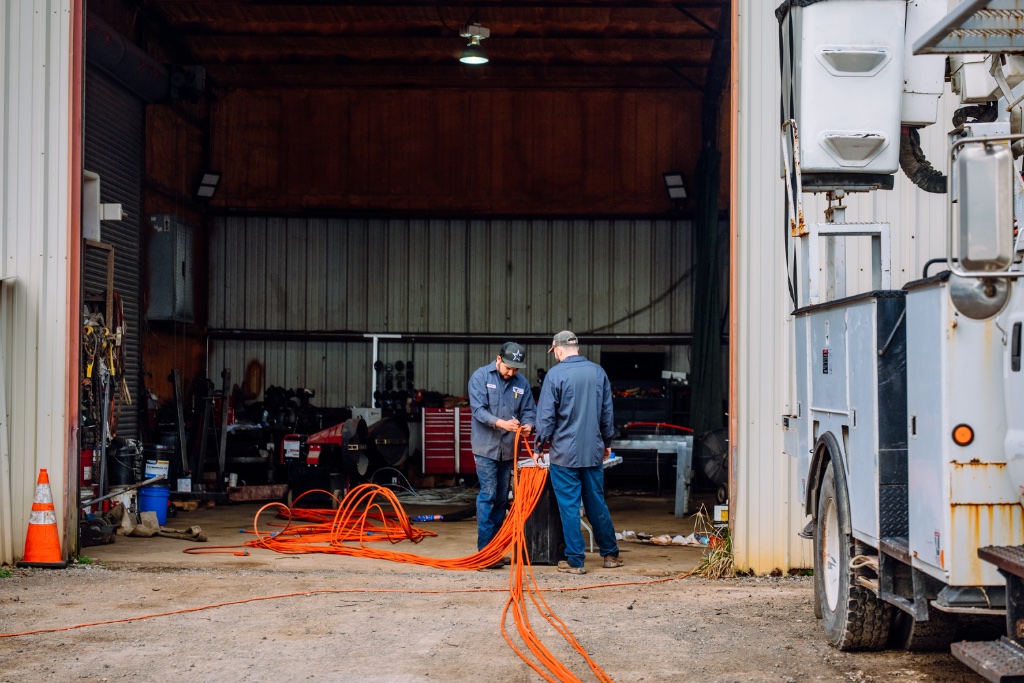
ABS Diagnostic Success
Challenge: A line-haul tractor had a persistent ABS warning light no previous shop could clear.
Findings: ABS diagnostics found a damaged tone ring and a failed wheel speed sensor at one wheel.
Repair: Tone ring and sensor replacement with wiring inspection and ABS system verification.
Results: ABS warning cleared, anti-lock function restored, and the truck passed its next DOT inspection.
Read Full Case Study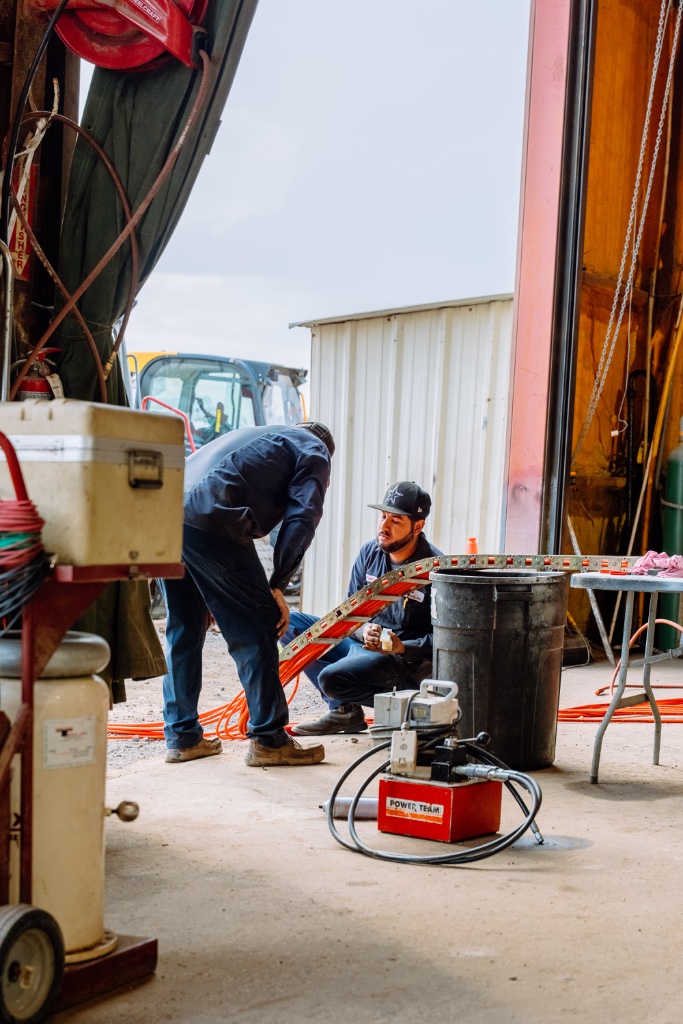
Brake Chamber Replacement Program
Challenge: A vocational fleet experienced repeated chamber leaks and low air warnings on aging units.
Findings: Inspection confirmed corroded, leaking chambers and moisture contamination from overdue air dryer service.
Repair: Chamber replacement fleetwide and air dryer cartridge service to stop the contamination source.
Results: Air leaks eliminated, low air warnings stopped, and chamber life extended through dryer maintenance.
Read Full Case Study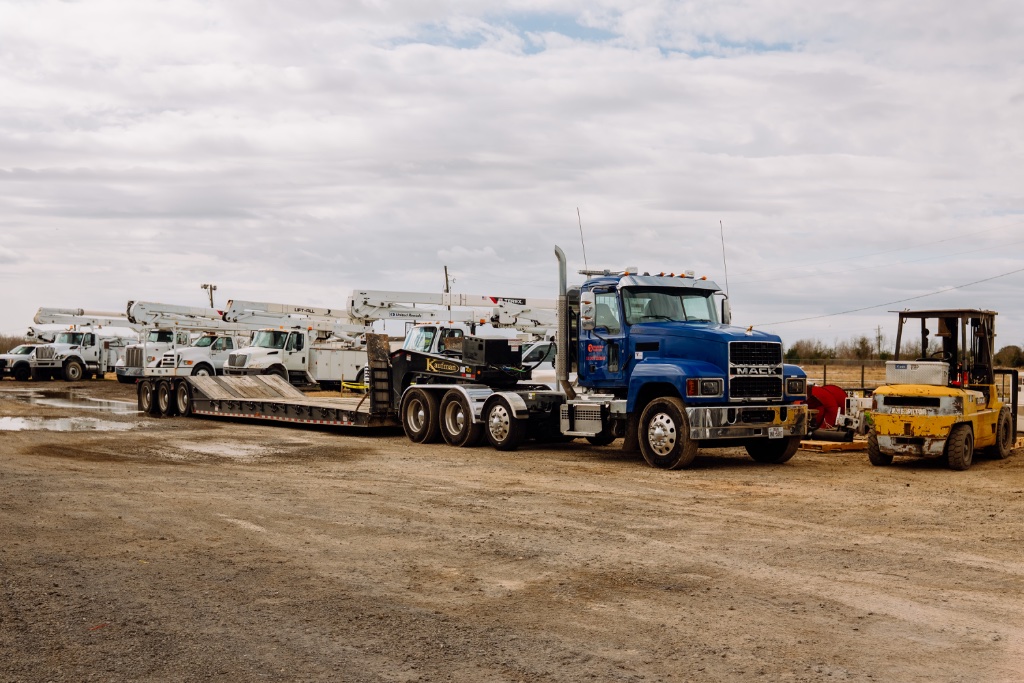
DOT Compliance Recovery
Challenge: A municipal fleet faced repeated roadside brake violations and out-of-service risk.
Findings: DOT-style inspection found out-of-adjustment stroke, worn linings, and inoperative ABS on several units.
Repair: Adjustment, lining replacement, and ABS repair across the affected units with documented compliance reporting.
Results: Every unit brought into compliance and the fleet’s CSA brake score improved dramatically.
Read Full Case Study
Wheel-End Repair Project
Challenge: A construction fleet discovered oil-contaminated linings and wheel seal leaks on several severe-service trucks.
Findings: Inspection confirmed failed wheel seals and oil-contaminated linings that could not be cleaned.
Repair: Wheel seal and bearing service and replacement of all contaminated linings at the affected wheels.
Results: Leaks stopped, bearings protected, and safe, clean braking restored across the affected trucks.
Read Full Case Study
Emergency Air Brake Repair
Challenge: A dump truck developed a major air leak on a job site and could not build pressure safely.
Findings: Priority inspection found a ruptured chamber and a failed air line at one wheel.
Repair: Emergency chamber and air line replacement with full air system leak test before return to service.
Results: Truck returned to the job site the same day, safe and compliant with no further leaks.
Read Full Case StudyCustomer Testimonials
What Fleet Customers Say
“The fleet brake program caught worn linings and out-of-adjustment slack adjusters before they became roadside failures. Our CSA brake score improved and downtime is way down.”
Equipment: Line-haul tractor
Outcome: Brake program eliminated roadside failures.
James T.
Fleet Manager · Regional Transportation
“We were failing roadside brake inspections. CRANETEC brought every unit into compliance with documented repairs and a scheduled program. No more out-of-service violations.”
Equipment: Utility trucks
Outcome: DOT compliance restored fleetwide.
Sandra M.
Fleet Supervisor · Municipal Public Works
“A dump truck developed a major air leak on a job site. CRANETEC had it diagnosed, repaired, and back to work the same day. Honest, fast, and professional.”
Equipment: Dump trucks
Outcome: Emergency repair, back to work same day.
Pete R.
Operations Manager · Southeast Construction
“An ABS light nobody could clear. CRANETEC found the damaged tone ring, replaced it, and the truck passed its next DOT inspection. Finally a shop that fixes the root cause.”
Equipment: Bucket truck
Outcome: ABS light cleared, passed inspection.
Linda K.
Utility Contractor · Fiber & Telecom
“My truck was taking too long to stop. They found worn linings and out-of-adjustment brakes, replaced and adjusted everything, and the truck stops like it should again.”
Equipment: Semi truck
Outcome: Stopping distance restored.
Marcus D.
Owner-Operator · Independent Hauler
“The fleet brake program paid for itself in avoided breakdowns and longer component life. Our cost per mile is down and our trucks are always inspection-ready.”
Equipment: Regional fleet
Outcome: Lower cost per mile fleetwide.
Greg H.
Fleet Director · Logistics Company
Cost Saving Opportunity
Every dollar spent on preventive brake maintenance returns multiple dollars in avoided roadside breakdowns, tows, DOT citations, and ruined components. The fleets with the lowest cost per mile are the ones whose brakes are maintained proactively.
Interactive Comparison
Preventive Brake Maintenance vs Reactive Repairs
The business case for scheduled brake maintenance.
Downloadable Brake Inspection Checklist
Commercial Air Brake Inspection Checklist
A practical checklist fleet managers can use at every PM interval.
Commercial Benefits
Measurable Business Benefits
The measurable business benefits of professional air brake repair and maintenance for commercial fleets.
Improved Driver Safety
Reliable, balanced braking protects the driver and everyone on the road in every stop and every emergency.
Reduced Downtime
Scheduled maintenance and early inspection convert emergency brake failures into planned service.
Lower Operating Costs
Targeted, planned repairs cost a fraction of a single roadside failure, lowering cost per mile over the unit’s life.
Longer Brake Component Life
Clean air, correct adjustment, and early service extend the life of linings, drums, chambers, and valves.
Improved DOT Compliance
Scheduled brake inspections keep every unit compliant and ready for roadside inspections.
Reduced Liability
Documented brake maintenance is a fleet’s best evidence of safe, responsible operation in any incident.
More Predictable Maintenance Costs
Planned, budgeted maintenance replaces unpredictable, expensive emergency repair.
Higher Fleet Reliability
Consistent maintenance is the foundation of a dependable fleet that is ready when the work arrives.
Improved Stopping Performance
Proper adjustment, linings, and balance restore the stopping distance and control the truck was designed for.
Reduced Emergency Repairs
Early detection of wear prevents the failures that cause roadside breakdowns and tows.
Fleet Manager Insight
Track brake trends, not just failures. A fleet that logs stroke readings, lining thickness, and air dryer service across every unit can predict which truck will fail next — and plan the repair before it becomes a roadside emergency. Data is the difference between a reactive fleet and a predictive one.
Graphic Placeholder
Brake Inspection Workflow
Side-by-side visualization of a brake inspection workflow from visual inspection through measurement, diagnostics, and repair.
Comparison Tables
Air Brake Reference Tables
Quick-reference tables for fleet managers and commercial truck owners.
Table 1 — Common Air Brake Problems
| Problem | Symptoms | Recommended Repair | Repair Priority |
|---|---|---|---|
| Low Air Pressure | Low air warning, pressure will not build or hold | Leak test, compressor test, valve and governor inspection | High |
| Air Leaks | Audible hissing, slow pressure loss, constant compressor | Pressure-test and isolate each circuit; repair the source | High |
| Brake Drag | Heat, burning smell, pulling, accelerated wear | Diagnose chamber release, valve operation, mechanical movement | High |
| Uneven Brake Wear | One or more brakes wearing faster | Measure stroke, inspect hardware, balance the system | Medium |
| ABS Warning Light | ABS warning illuminated on the dash | Read codes, test sensors and tone rings, verify modulator | High |
| Brake Chamber Failure | Chamber leak, no stroke, dragging brake | Replace the chamber with the correct size and type | High |
| Out-of-Adjustment Brakes | Long pedal, increased stopping distance | Adjust or replace slack adjusters; inspect linings | High |
| Wheel Seal Leaks | Oil or grease at the wheel end | Replace seals and bearings; replace contaminated linings | High |
Table 2 — Fleet Air Brake Maintenance Schedule
| Maintenance Item | Recommended Interval | Fleet Benefit |
|---|---|---|
| Brake inspection | Every PM (30K–50K miles) | Catch wear before failure |
| Brake adjustment | Every PM | Keep stroke in spec and pass inspections |
| Slack adjuster inspection | Every PM | Prevent out-of-adjustment violations |
| Air dryer cartridge | Annual / 25K–50K miles | Prevent moisture and oil contamination |
| Air compressor test | Every PM | Protect the whole air system |
| ABS test | Every PM | Keep ABS compliant and functional |
| Wheel-end inspection | Every PM | Prevent roadside wheel-end failures |
| Brake balance test | Every brake service | Extend component life and improve stopping |
Table 3 — Air Brake Components Comparison
| Component | Primary Function | Common Repairs |
|---|---|---|
| Brake Chambers | Convert air pressure to mechanical force | Chamber and diaphragm replacement |
| Slack Adjusters | Maintain shoe-to-drum clearance | Adjustment and replacement |
| Brake Shoes | Carry the friction lining | Lining and shoe replacement |
| Brake Drums | Friction surface | Replacement of cracked or heat-checked drums |
| Air Compressor | Build compressed air | Compressor repair or replacement |
| Air Dryer | Remove moisture and oil | Cartridge service and unit replacement |
| ABS System | Prevent wheel lock | Sensor, tone ring, and modulator repair |
| Relay Valves | Speed air to rear chambers | Valve repair and replacement |
Table 4 — Preventive Maintenance vs Reactive Repairs
| Category | Preventive | Reactive |
|---|---|---|
| Operating Costs | Low and predictable | High and unpredictable |
| Downtime | Minimal and planned | Significant and unplanned |
| Brake Component Life | Extended by maintenance | Shortened by neglect |
| Driver Safety | High | Low |
| DOT Compliance | Maintained | At risk |
| Fleet Reliability | High | Low |
| Liability Risk | Low | High |
| Maintenance Planning | Planned and budgeted | Reactive and unpredictable |
Table 5 — Commercial Fleet Brake Cost Analysis
| Cost Category | Business Impact | Operational Effect |
|---|---|---|
| Planned brake maintenance | Low, predictable cost | Keeps trucks on schedule |
| Brake adjustment | Low cost, high return | Passes inspections, shortens stops |
| Air dryer service | Low planned cost | Prevents costly component failures |
| Lining replacement | Moderate planned cost | Restores safe stopping |
| ABS repair | Moderate planned cost | Restores compliant braking |
| Emergency brake repair | High unplanned cost | Causes downtime and towing |
| Roadside failure | High indirect cost | Lost revenue and missed schedules |
Graphic Placeholder
Fleet Downtime Cost Comparison
Side-by-side visualization of planned brake maintenance cost versus unplanned roadside brake failure cost across common scenarios.
Local Air Brake Repair
Commercial Truck Air Brake Repair Near You
If you are searching for air brake repair near me, commercial truck brake repair near me, heavy duty brake repair near me, or a commercial brake shop, CRANETEC provides professional air brake diagnostics, repair, ABS service, and fleet brake maintenance for commercial trucks and fleets across Texas, Louisiana, Florida, North Carolina, and surrounding regions.
We are a heavy-duty brake shop specializing in fleet brake repair near me, truck air brake service, brake chamber replacement near me, ABS repair near me, truck brake inspection, DOT brake inspection, emergency brake repair, and commercial fleet brake service. From heavy duty truck repair to commercial fleet repair, our technicians handle every major air brake component and system.
Need broader heavy-duty truck repair? We also provide full truck repair across our service area. Explore our Truck Diagnostics and Tractor Trailer Repair pages for the full service cluster.
Service Areas
Cities We Serve
Service Area
Supporting Every Type of Commercial Operation
CRANETEC supports both individual commercial vehicles and large fleet operations through professional air brake diagnostics, brake repair, ABS service, DOT compliance inspections, and preventive maintenance. From one owner-operator truck to a multi-state fleet, our OEM-level diagnostics, scheduled programs, and experienced technicians keep commercial vehicles safe, compliant, and productive across Texas, Louisiana, Florida, North Carolina, and surrounding regions.
Related Services & Resources
Explore the Heavy-Duty Truck Repair Cluster
FAQ
Commercial Truck Air Brake Repair FAQs
40 in-depth answers for fleet managers, owner-operators, and commercial truck owners — optimized for AI search and featured snippets.
Final Call To Action
Protect Your Fleet With Professional Commercial Air Brake Repair
CRANETEC helps transportation companies, contractors, municipalities, utilities, and commercial fleets improve safety, reduce downtime, maintain DOT compliance, extend brake system life, and lower operating costs through expert air brake diagnostics, repair, inspections, and preventive maintenance.